
Lapidary, the art of shaping and polishing stones, can be a fascinating hobby and a rewarding profession. For those new to the field, selecting the right lapidary equipment can be a daunting task, but it's crucial to ensuring quality and precision.
Because of the wide array of tools available, understanding the purpose and functionality of each piece of equipment is essential to ensure you start your lapidary journey on the right foot. This comprehensive guide to lapidary equipment for beginners will provide insights into each tool’s uses and the techniques involved. Whether you aspire to create stunning jewelry, intricate mosaics, or simply appreciate the beauty of polished stones, this will be your best starting point.
Understanding Lapidary Equipment
Lapidary equipment is essential because it enables enthusiasts and professionals to unlock the hidden beauty within rough stones. By providing the appropriate tools for each stage of the process, cutting, grinding, polishing, and carving, these instruments allow precise and efficient transformation of raw materials into refined, aesthetically pleasing pieces.
Without the right equipment, achieving the desired finish and intricacy in stonework would be nearly impossible, as manual techniques lack the precision and consistency that specialized tools offer. Investing in the appropriate equipment not only enhances the quality of the final product but also enriches the overall creative experience in lapidary arts.
Essential Safety Gear
When working with lapidary equipment, safety goggles are a must-have, as they guard your eyes against tiny particles and debris that can jump during cutting and grinding processes. Gloves are indispensable for safeguarding your hands. These not only protect against cuts and abrasions from sharp edges but also provide a barrier against potential skin reactions to chemicals used in the process.
A dust mask is crucial for preventing the inhalation of fine dust and particles generated when working with stones. This is especially important because prolonged exposure to these tiny particles can lead to respiratory issues. The cumulative effect of these safety measures contributes to a safer, more enjoyable lapidary experience, allowing you to focus on your craft with peace of mind.
Choosing the Right Saw
When selecting a trim saw, consider factors like blade diameter and motor power to ensure it can handle the specific tasks you have in mind. Trim saws typically feature blades ranging from 4 to 8 inches in diameter for making precise, intricate cuts on gemstones and small rocks.
The blade material is another key aspect to consider. Diamond is the only option, available in two types: sintered diamond and electroplated diamond. Sintered diamond blades offer a longer lifespan, and both types can cut through the hardest of materials with greater ease and precision.
Grinders
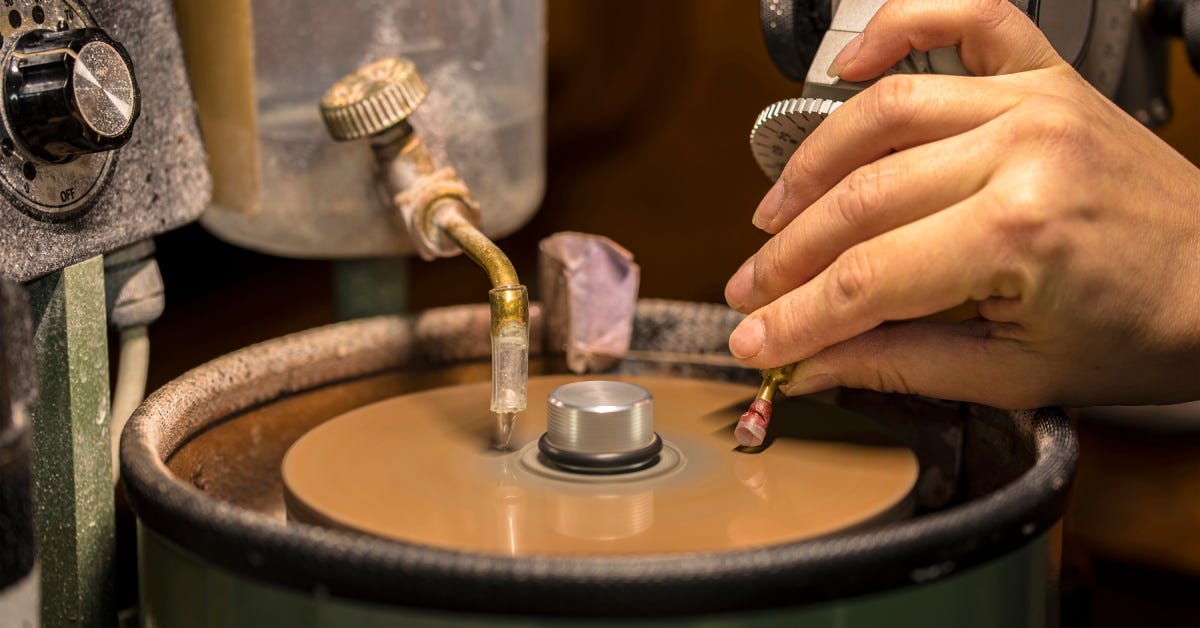
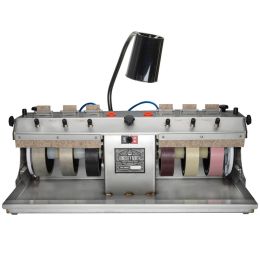
Flat lap and cab machines are integral to the lapidary process. These machines typically feature a multitude of discs or wheels, or belts, and also offer polishing capabilities on a final disc or wheel. Flat laps are variable speed, whereas cab machines are fixed speed.
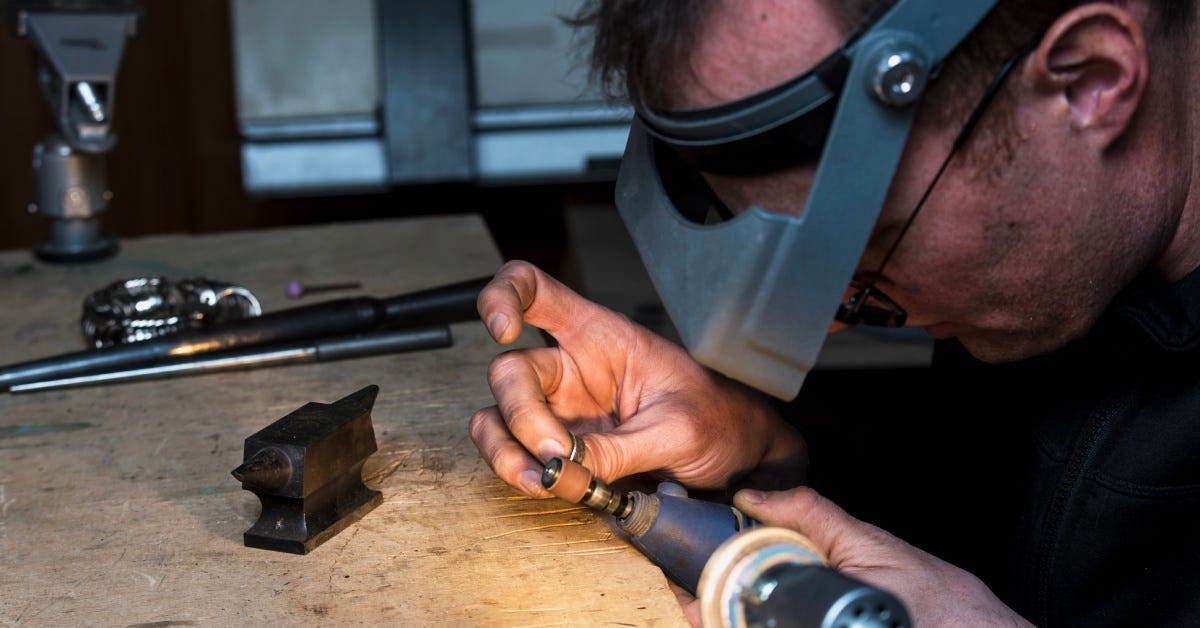
Rotary tools are popular for their versatility and ability to handle intricate detailing with ease. Equipped with numerous attachments including diamond burrs and sanding discs, rotary tools can reach tight spaces and perform delicate work that bench grinders might struggle with.
Polishers
Polishers, like the flat lap and cab machines, are specifically designed for lapidary use and bring out the final touch of beauty in your stones. These machines employ different types of polishing compounds and wheels to produce a high-gloss finish that emphasizes the stone's natural patterns and colors. Quality lapidary equipment ensures safety and accuracy, reducing the risk of damage to the artisan and the stones.
Tumblers for a Fine Finish
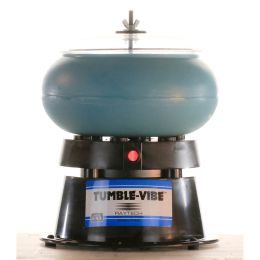
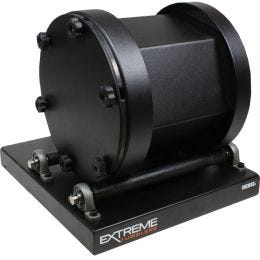
Rock tumblers are an excellent tool for beginners because they easily make a rock look finished. They use a rotating drum filled with abrasive grit and water to smooth and polish stones automatically. Tumblers come in two types: rotary and vibratory.
Rotary tumblers work by continuously rotating a barrel containing the stones, abrasive grit, and a liquid medium, usually water. This motion causes the stones to tumble over each other, gradually grinding away rough edges and surfaces. Vibratory tumblers use a vibrating motion rather than a rotating one. This method is faster and can produce a polish in a shorter amount of time, often in just a few days.
Dopping Tools
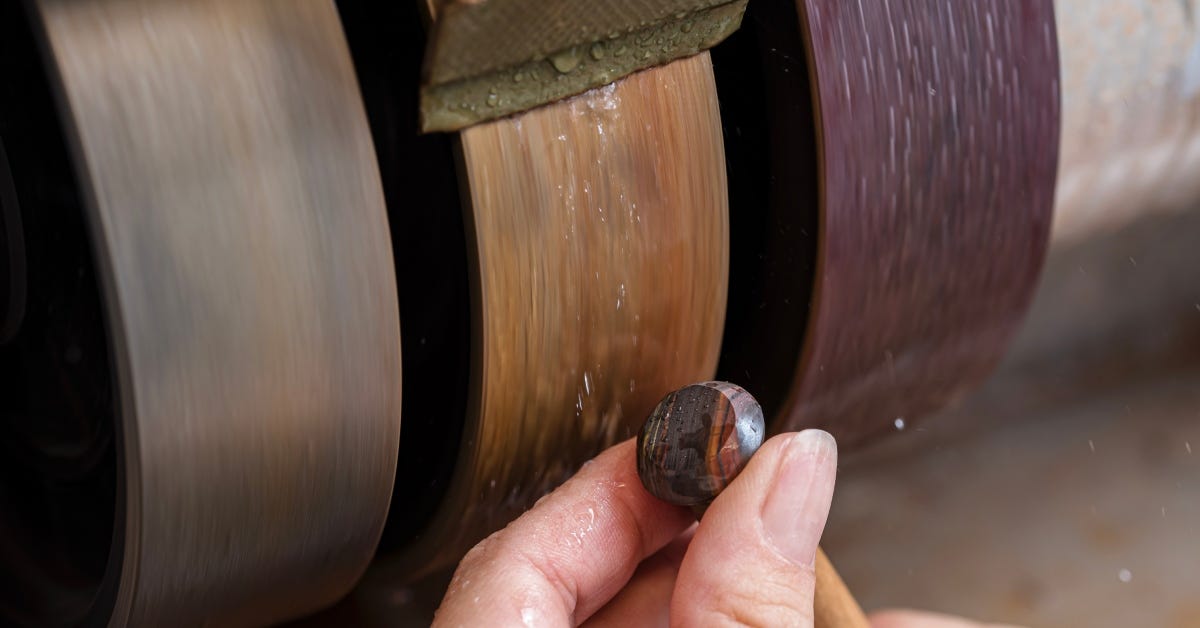
Dopping is a fundamental technique in lapidary that greatly enhances precision and control during the shaping and polishing of gemstones. Dopping tools include dop sticks, wax, and heaters. The dop stick holds the stone steady, while the wax forms a secure bond when melted and hardened. This setup is especially useful for intricate work, ensuring precision and ease of handling.
This increased control is essential for intricate designs and detailed work, where even the slightest slip can result in significant errors. After finishing the lapidary process, you must remove the stone from the dop stick by reheating the wax.
Cabochon Machines
Cabochon Machines are tools designed to produce smooth, domed stones commonly used in various types of jewelry, such as rings, pendants, and earrings. There are optional templates and doming tools to assist in achieving the desired shape and size of the cabochon. The templates provide a guide for the initial rough shaping, ensuring consistency in the dimensions of the stones.
The wheels or discs of the machine, can refine the curvature of the cabochon, giving it a perfectly rounded and even surface. Many cabochon machines also incorporate a gradation of grits that bring the stone to a highly polished state.
Maintenance of Lapidary Equipment
Thorough maintenance involves several key practices that ensure your lapidary equipment remains in excellent working order. Regular cleaning is essential to remove stone debris, dust, and residue that can accumulate in grinders, polishers, and tumblers. Using compressed air or soft brushes can help clear out hard-to-reach areas.
Lubrication of moving parts, such as bearings and gears, is another critical aspect of maintenance. Over time, friction can wear down these components, leading to a decline in performance and increased wear and tear. Regularly check belts, wheels, and other consumable parts for signs of wear or damage.
Embarking on a lapidary journey is as exciting as it is complex. Although the array of lapidary equipment available can seem overwhelming, understanding the basics and the purpose of each tool will set you on the path to success. This guide to lapidary equipment for beginners will help you progress and evolve, allowing you to complete more intricate and impressive stone creations.