
Lapidary work, the art of cutting, grinding, and polishing stones, offers endless opportunities for creativity and relaxation for many—especially retirees. This fascinating pastime allows enthusiasts to transform rough stones into beautiful, polished gems.
However, learning how to safely handle lapidary minerals is essential to fully enjoy the hobby. This guide will explore what you need to know to engage in lapidary work without compromising your well-being.
Introduction to Lapidary Work
Lapidary work is a time-honored craft that transforms rough stones into beautiful, polished gems. Lapidary offers a world of possibilities, whether you’re making jewelry, decorative items, or simply indulging in a relaxing activity.
Understanding the importance of safety before you start is crucial. Proper handling of lapidary minerals can prevent accidents and ensure your hobby remains enjoyable and fulfilling.
Why Safety Matters in Lapidary
Working with minerals involves tools and materials that can pose risks if you don’t handle them correctly. You must be aware of various hazards, from sharp edges to fine dust particles.
Taking precautions is vital for retirees who might have more sensitive health concerns. Ensuring a safe working environment allows you to focus on the joy of creating without worrying about potential dangers.
Essential Lapidary Tools
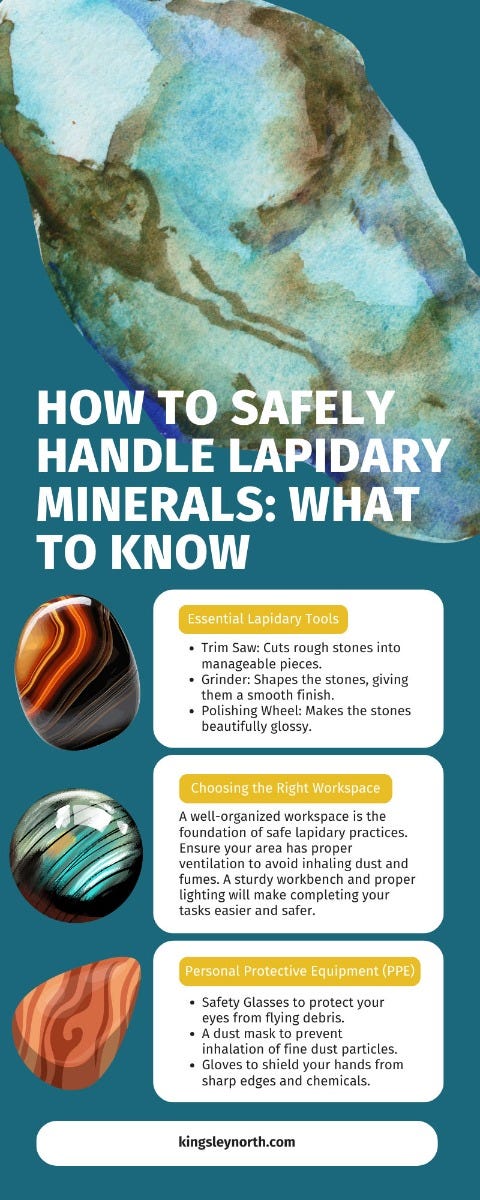
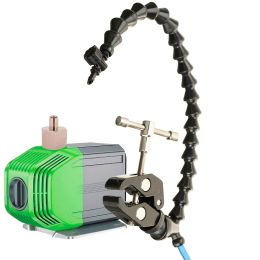
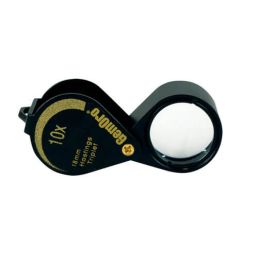
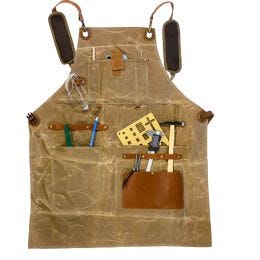
You’ll need a few basic lapidary tools from Kingsley North to get started. Each tool has its own safety guidelines, which we’ll discuss in detail below to help you handle them with confidence:
- •Trim Saw: Cuts rough stones into manageable pieces.
- •Grinder: Shapes the stones, giving them a smooth finish.
- •Polishing Wheel: Makes the stones beautifully glossy.
Choosing the Right Workspace
A well-organized workspace is the foundation of safe lapidary practices. Ensure your area has proper ventilation to avoid inhaling dust and fumes. A sturdy workbench and proper lighting will make completing your tasks easier and safer.
Keep your tools and materials within reach, and always clean up after each session to maintain a tidy and hazard-free environment.
Personal Protective Equipment (PPE)
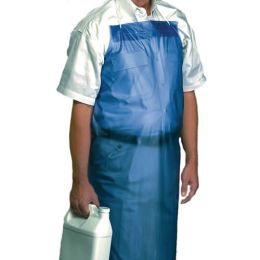
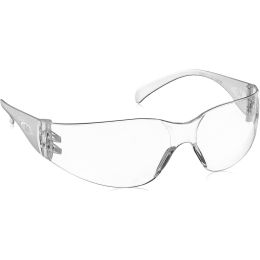
Wearing the right protective gear can significantly reduce your risk of injury. Make it a habit to wear your PPE every time you work on your lapidary projects. Here’s what you’ll need:
- •Safety Glasses to protect your eyes from flying debris.
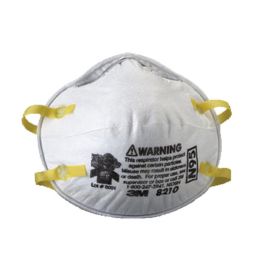
- •A dust mask to prevent inhalation of fine dust particles.
- •Gloves to shield your hands from sharp edges and chemicals.
Handling Lapidary Minerals
Different minerals require different handling techniques. Here are some tips for popular lapidary stones:
Agate
Agate is a hard stone that can produce sharp shards when cut. Always use a trim saw and handle with care to avoid cuts.
Turquoise
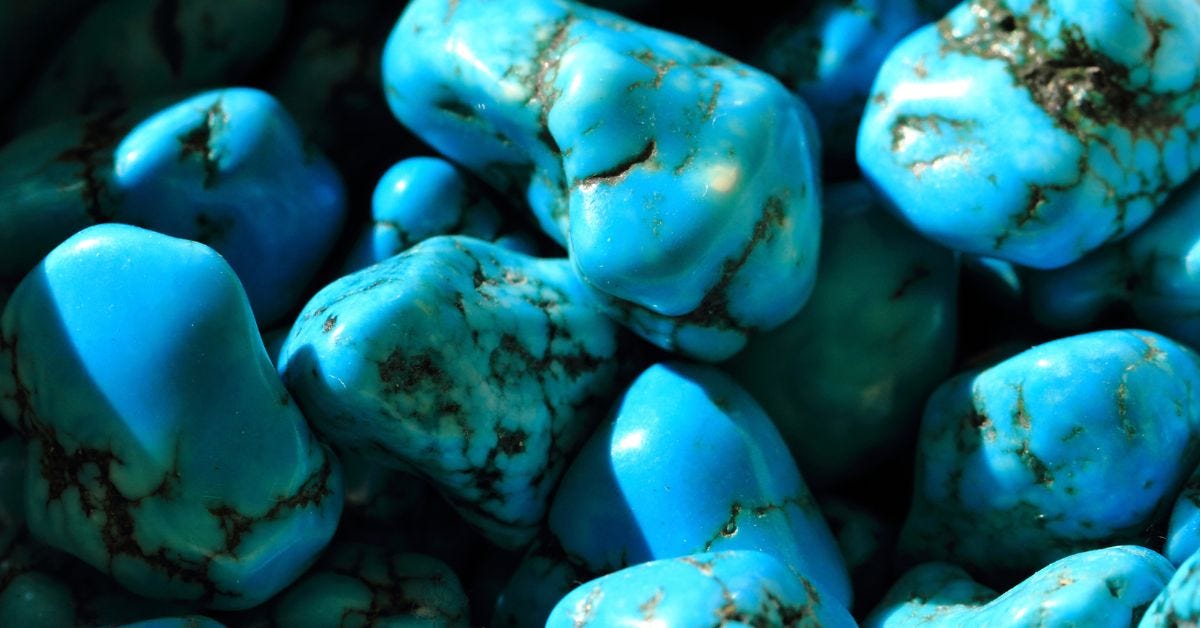
Turquoise is softer and more porous, making it prone to cracking. Use gentle pressure when grinding and polishing.
Jasper
Jasper is durable but can still chip. Work slowly and methodically to ensure a smooth finish without damaging the stone.
Cutting Techniques
Cutting is one of the most critical steps in lapidary work. Proper cutting techniques not only enhance safety but also result in better-shaped stones. Here are three cutting techniques to remember:
- •Secure the stone using a clamp or vice to hold it in place.
- •Use water to keep the stone wet, minimize dust, and reduce the risk of overheating.
- •Move the stone slowly through the saw, maintaining a steady hand and letting the blade do the work.
Grinding and Shaping
Once you cut the stones, it’s time to shape them. Grinding and shaping stones is a rewarding part of lapidary work, allowing you to bring your creative visions to life. Follow these guidelines for safe grinding:
- •Select the right grit. Start with a coarse grit to create a rough shape and move to finer grits for smoothing.
- •Apply Even Pressure. Avoid pressing too hard to prevent the stone from cracking.
- •Be Patient. Take your time to achieve the desired shape without rushing the process.
Polishing for Perfection
Polishing gives your stones that final, beautiful shine. A well-polished stone is a testament to your skill and patience in lapidary work. Here’s how to polish your stones safely:
- •Use polishing compounds that match your stone’s type.
- •Keep the stone wet. Moisture reduces friction and prevents overheating.
- •Use a light touch when buffing to avoid scratching the stone’s surface.
Managing Dust and Debris
Dust and debris are inevitable in lapidary but managing them is crucial for safety. You minimize health risks and maintain a pleasant work environment by controlling dust and debris. Remember to:
- •Always use water when working.
- •Ensure good airflow in your workspace.
- •Regularly sweep and vacuum to keep your area clean.
Chemical Safety
Some lapidary processes involve chemicals, such as polishing compounds and adhesives. Understanding chemical safety ensures you can use these substances effectively without harming yourself. Here’s how to handle them safely:
- •Always follow the manufacturer’s instructions and warnings on the label.
- •Always wear gloves to protect your skin from potential irritants.
- •Always keep the chemicals in a cool, dry place, away from children and pets.
First Aid Basics
Despite all precautions while performing lapidary, accidents can happen. Having a first aid kit on hand and knowing how to use it can make a significant difference in an emergency. Prepare yourself with basic first aid knowledge:
- •Clean minor cuts and scrapes thoroughly and apply a bandage.
- •Rinse irritants from your eyes with clean water and seek medical attention if necessary.
- •Get fresh air immediately and consult a doctor if you have trouble breathing and symptoms persist.
Engaging With the Lapidary Community
Connecting with other lapidary enthusiasts can enhance your experience. Join local clubs or online forums to share tips, showcase your work, and learn from others. Building a network of like-minded individuals can provide support, inspiration, and valuable insights into safe lapidary practices.
Lapidary work is a fulfilling and creative hobby, especially for retirees wanting to rediscover their passion or explore something new. You can enjoy the art of transforming rough stones into stunning gems while ensuring your well-being by following these tips for safely handling lapidary minerals. Safety first makes for a more enjoyable and productive lapidary experience.
Ready to start your lapidary journey? Equip yourself with all the right tools at Kingsley North. Set up a safe workspace and immerse yourself in the world of stones and gems.