
Cleaning and polishing metal parts, rocks, and even jewelry can be a time-consuming process, but tumblers can make the job significantly more manageable. Tumblers, either rotary or vibratory, are indispensable tools in various industries, from manufacturing to jewelry making.
However, selecting the right rotary or vibratory tumbler for your needs can be challenging without proper guidance. Both tumblers have distinct advantages and applications, and understanding these differences is crucial for making an informed decision.
This guide will explore the key features, benefits, and disadvantages of each type of tumbler to assist you in choosing the right one for your project.
Understanding Rotary Tumblers
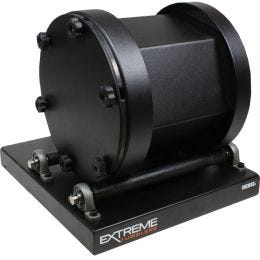
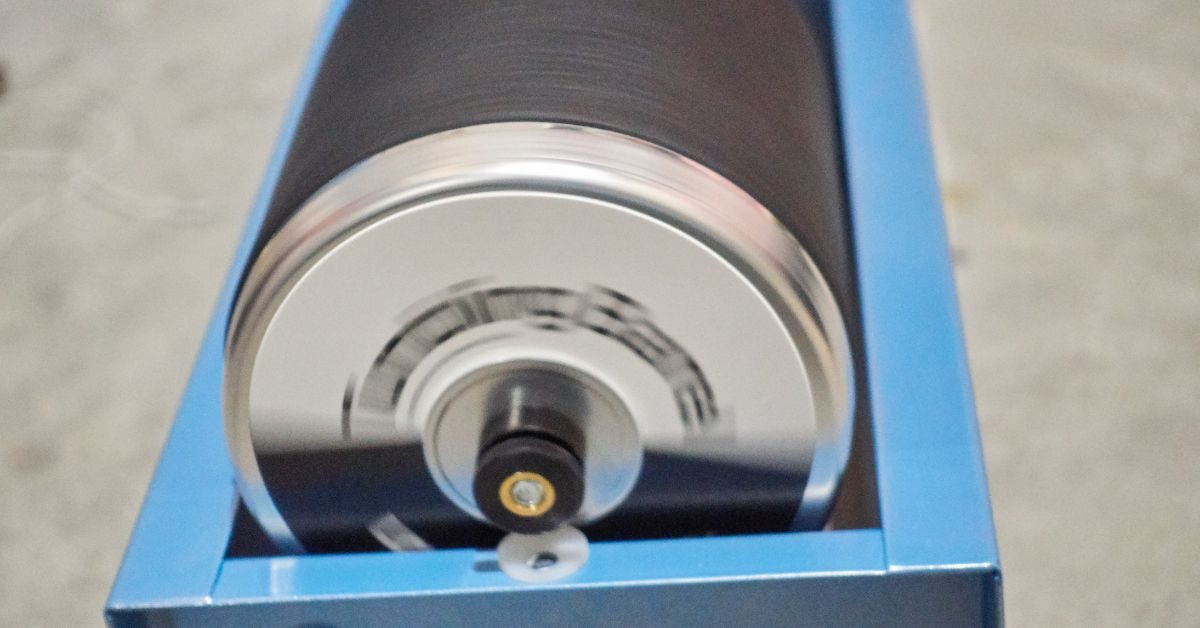
Rotary tumblers are the traditional choice for polishing and cleaning tasks. They work by rotating a barrel filled with the items you want to polish, a polishing compound, and a medium, typically a form of grit or abrasive material.
The constant tumbling action creates friction that gradually smooths and polishes the items inside the barrel. Rotary tumblers are particularly effective for heavy-duty tasks, such as cleaning larger, rougher objects and achieving a high level of polish. From start to finish they will change the overall shape of your rock.
Key Features of Rotary Tumblers
Rotary tumblers come with several notable features that make them suitable for different tasks. These machines have a spacious barrel that can handle a larger volume of items at once. The tumbling action is slower but thorough, ensuring every surface of the object receives an equal amount of treatment.
Another key feature is the ability to use various polishing media, such as ceramic, plastic, or walnut shells, depending on the type of material and the level of finish required. Some rotary tumblers also include variable speed controls, which offer greater flexibility in managing the intensity and duration of the tumbling process.
Benefits of Rotary Tumblers
One of the primary benefits of rotary tumblers is their efficiency in polishing and cleaning. Due to their thorough rolling mechanism, they can achieve a high polish level, making them ideal for jewelry makers and rock hounds. Rotary tumblers are also highly versatile, accommodating a variety of materials, from metal parts to stones.
Rotary tumblers are famous for their durability and long operational life. Built to withstand prolonged use, many models feature robust construction materials, such as heavy-duty plastic or metal barrels, which contribute to their longevity. This reliability translates to a sound investment for professionals who require a dependable machine for regular use.
Disadvantages of Rotary Tumblers
Despite their many benefits, rotary tumblers also have some drawbacks. The most significant disadvantage is the time required to achieve the desired results. The process is relatively slow, often taking several days to complete. Maintenance can also be an issue since the parts, particularly the barrel lining, may wear down over time and need replacement.
Another potential drawback of rotary tumblers is their energy consumption. Given the extended periods required for effective tumbling, rotary tumblers can use a considerable amount of electricity, which can add up in operational costs over time.
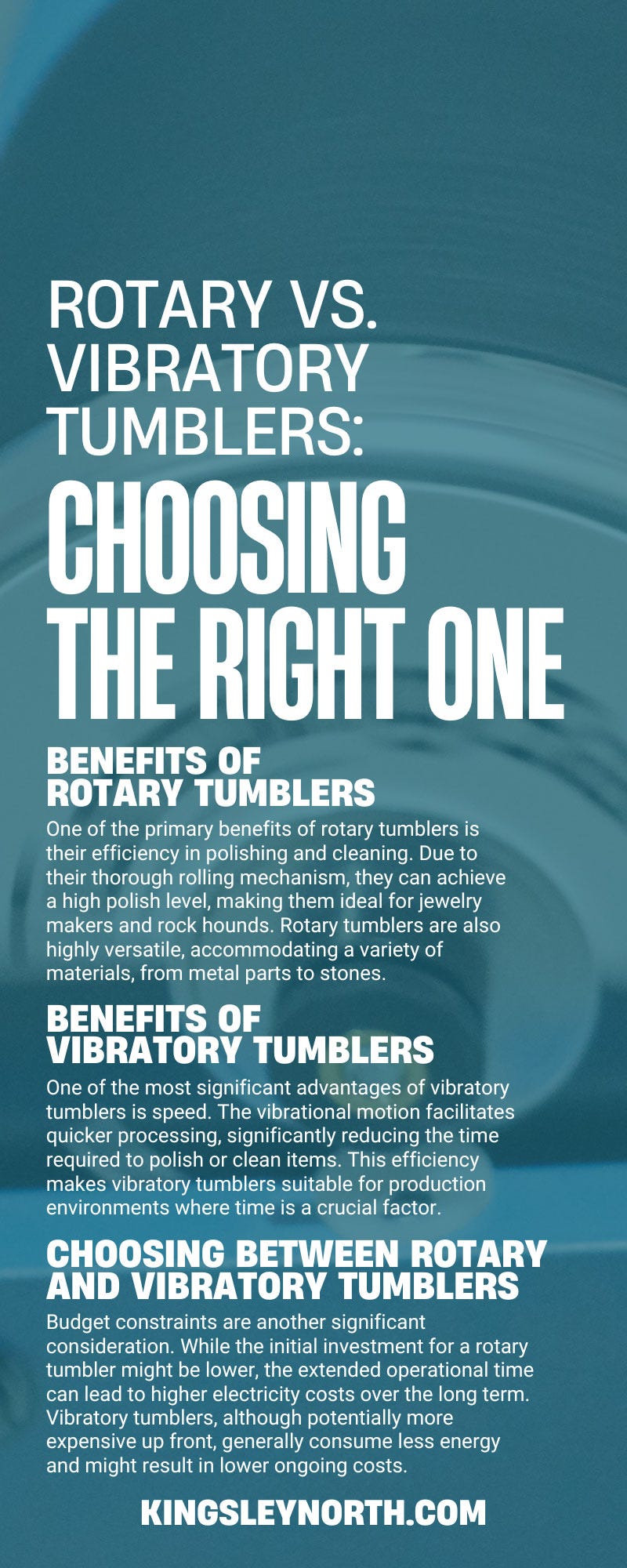
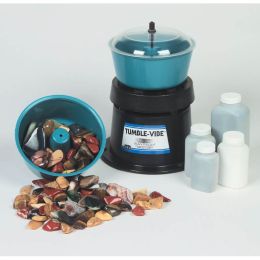
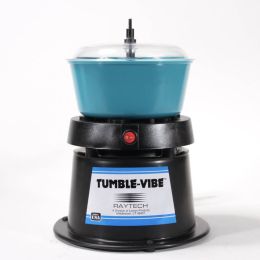
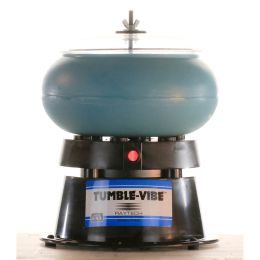
Understanding Vibratory Tumblers
In contrast to rotary tumblers, vibratory tumblers use vibrational motion to polish and clean. The gentle vibrational motion minimizes the risk of damage to fragile pieces and allows for a more uniform finish on intricate surfaces.
These machines feature a bowl or barrel that vibrates at high frequency, causing the contents to move in a circular motion. This vibrational action ensures constant contact between the items and the abrasive medium, resulting in a quicker and more efficient polishing process compared to rotary tumblers. The shape of the rocks will be consistent from start to finish.
Key Features of Vibratory Tumblers
Vibratory tumblers are popular for their faster processing times and versatility. They can perform multiple tasks, including deburring, descaling, and polishing. The machines can handle various shapes and sizes of objects, and the vibrational movement allows for more delicate parts to be cleaned without the risk of damage.
Benefits of Vibratory Tumblers
One of the most significant advantages of vibratory tumblers is speed. The vibrational motion facilitates quicker processing, significantly reducing the time required to polish or clean items. This efficiency makes vibratory tumblers suitable for production environments where time is a crucial factor.
These machines consume less electricity compared to rotary tumblers due to their shorter processing times, resulting in lower operational costs. Their quieter operation compared to rotary tumblers is another benefit, as it allows for use in more settings without causing noise disturbances.
Disadvantages of Vibratory Tumblers
While vibratory tumblers offer many benefits, they also come with some limitations. The primary disadvantage is their inability use coarse abrasive in the first step. It will ruin the vibratory bowl quickly. It is recommended to use 120/220 grit and finer.
They are noisier than a rotary tumbler because the bowls are plastic. They also require a more precise amount of water.Maintaining the slurry also requires more frequent attention than rotary tumblers. Additionally, while the initial investment in a vibratory tumbler might be higher, the ongoing cost of abrasive media can add up over time.
Choosing Between Rotary and Vibratory Tumblers
When deciding between tumblers, consider the nature of your project and your specific needs. For the easiest polish of harder materials or bulk processing, a rotary tumbler may be the better choice. If speed, precision, and versatility for delicate items are your priorities, a vibratory tumbler could be more suitable.
Budget constraints are another significant consideration. While the initial investment for a rotary tumbler might be lower, the extended operational time can lead to higher electricity costs over the long term. Vibratory tumblers, although potentially more expensive up front, generally consume less energy and might result in lower ongoing costs.
Available workspace and noise levels should also influence your decision. Rotary tumblers tend to be larger and noisier, requiring a dedicated area in your workshop. Vibratory tumblers are typically more compact and quieter, making them more suitable for smaller workspaces or environments where noise is a concern.
To choose between rotary and vibratory tumblers, you must consider their unique strengths in various applications. Rotary tumblers are popular for their reliability and thoroughness, making them ideal for achieving a brilliant polish on tougher materials. Vibratory tumblers excel in speed and precision, making them suitable for a broad range of tasks, especially for finishes that require intricate detail.
By assessing your specific needs, budget, and workspace, you can make an informed decision that will enhance your polishing and cleaning efficiency. Whether you opt for the reliable rotary tumblers or the swift vibratory tumblers, understanding the differences between these two machines ensures you choose the right tool for the job.