

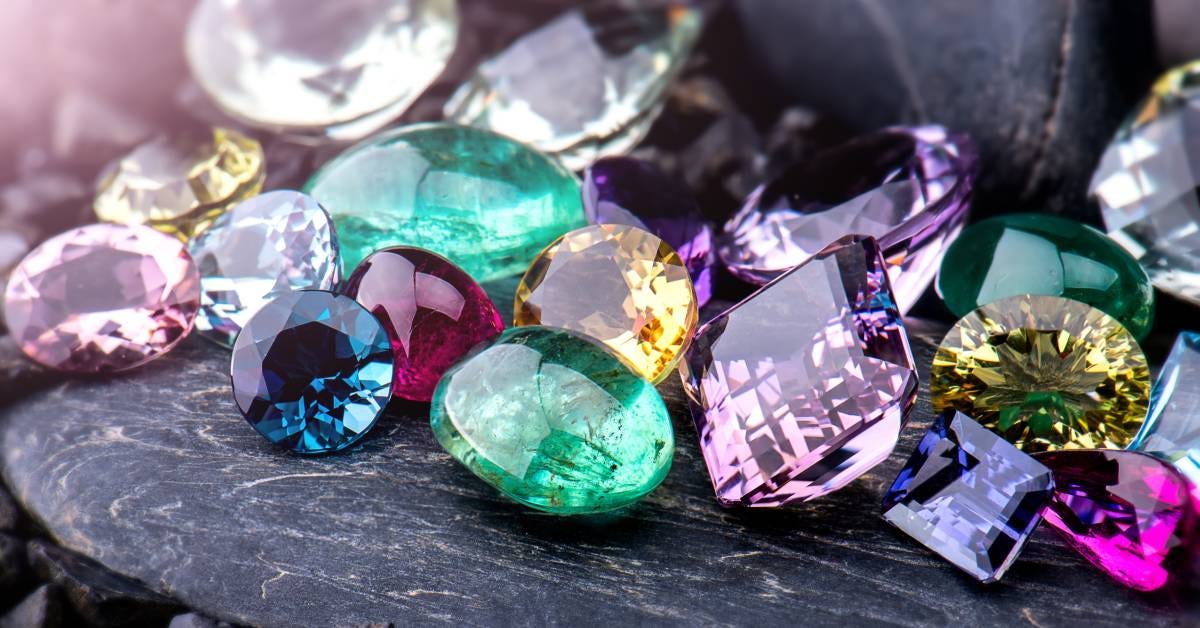
Gemstones have captivated the human imagination for centuries, celebrated for their beauty, symbolism, and rarity. Two iconic styles include cabochons and faceted stones. These cuts showcase the unique characteristics of gems.
Whether you’re a jewelry designer or someone intrigued by gemstones, understanding the differences between cabochons and faceted stones can enhance your appreciation of their craftsmanship and application. This guide will teach you about these remarkable gemstone styles, including their features, uses, advantages, and disadvantages, and how to find high-quality stones.
What Is a Cabochon Gemstone?
A cabochon or cab is a gemstone polished into a smooth, rounded shape with no geometrical surfaces. The top of a cabochon is typically convex, while the bottom is flat or slightly domed to allow for easy mounting in jewelry.
Cabochons are commonly oval or round shape, but they can also come in various freeform or irregular shapes. This cutting style emphasizes the gemstone’s natural color and texture, making it ideal for stones like turquoise, opal, and moonstone.
What Is a Faceted Stone?
Faceted stones are gemstones cut with multiple geometrical surfaces, or facets, designed to maximize the stone’s brilliance and light reflection. This cutting method is common in diamonds but also popular for precious and semiprecious stones.
Faceting creates dazzling sparkles and an eye-catching aesthetic to enhance the overall value of the gemstone. The arrangement of the facets highlights the gem’s clarity and refractive index while minimizing imperfections.
When To Choose a Cabochon
Cabochons are popular in rings, pendants, and earrings. They are perfect for opaque gemstones or gemstones with a unique internal pattern, such as opals with their play-of-color or agates with intricate bands. If the gem’s natural beauty lies in these unique characteristics rather than its ability to refract light, a cabochon cut will highlight its best features.
Cabochons are also ideal for casual and everyday jewelry because they are more affordable than faceted stones. The cutting process is less labor-intensive and results in less waste. No matter the piece of jewelry, cabochons offer a timeless and versatile look that complements various styles.
When To Choose a Faceted Stone
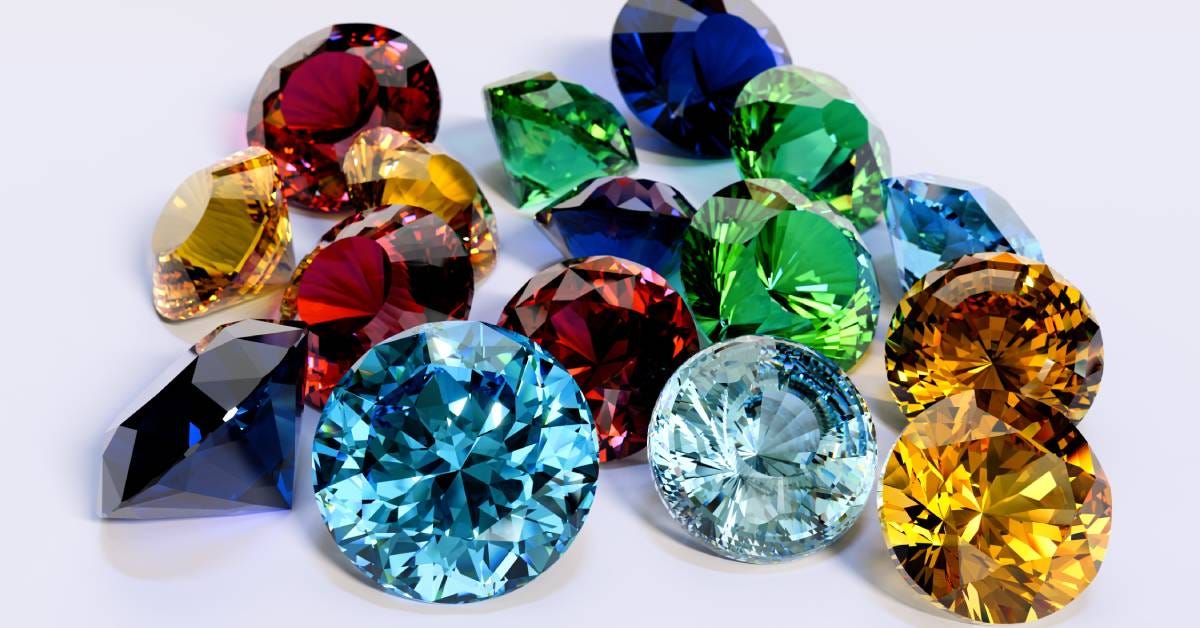
A faceted stone highlights the natural brilliance, fire, and clarity of transparent gemstones. It’s the perfect choice for luxurious and glamorous jewelry, from timeless engagement rings to elegant cocktail earrings with a centerpiece gem.
If you want to make a bold statement, faceted gemstones are a top choice, especially for occasions that require formal or high-end adornment. Their intricate craftsmanship brings out the stone’s vivid colors, making them the preferred option for showcasing premium-quality gems.
Pros and Cons of Cabochons
There are multiple advantages to using cabochon gemstones.
- • Highlight unique patterns, colors, and inclusions.
- • Create smooth surfaces so they’re comfortable to wear,
- • Less expensive and easy to maintain.
- • Versatile design that’s suitable for modern and vintage jewelry styles.
- • Support soft stones that may not withstand faceting.
- • Ideal for showcasing large gemstones without the risk of damage during cutting.
It’s also important to keep in mind the downsides of cutting cabochon gemstones.
- • Lack the brilliance and sparkle of faceted stones.
- • May appear less formal or glamorous.
- • Limited appeal in high-end or luxury markets due to their simple appearance.
- • Appear less reflective and cause reduced visibility in low light.
- • Fewer design options for settings compared to faceted stones.
Pros and Cons of Faceted Stones
Faceted stones are stunning and versatile. Here are some of the advantages of cutting these gemstones.
- • Maximizes brilliance, fire, and sparkle.
- • Ability to showcase clear, transparent gemstones.
- • Suits formal and luxurious designs.
- • A wide variety of traditional and modern cuts are available.
- • Enhances the color and clarity of high-quality gemstones.
- • Highly sought after in the luxury market, increasing their value.
Before selecting a gemstone, don’t forget about the disadvantages of faceted stones.
- • High costs due to the labor-intensive cutting process.
- • Fragile and susceptible to chipping at sharp edges.
- • Requires careful handling and maintenance to preserve delicate cuts.
- • Demand frequent cleaning because dirt and oils can accumulate in the facets.
- • Unfavorable for physical activities due to their susceptibility to damage.
- • Appears less brilliant in jewelry with natural inclusions or lower clarity.
Which Gemstones Are Commonly Cut as Cabochons?
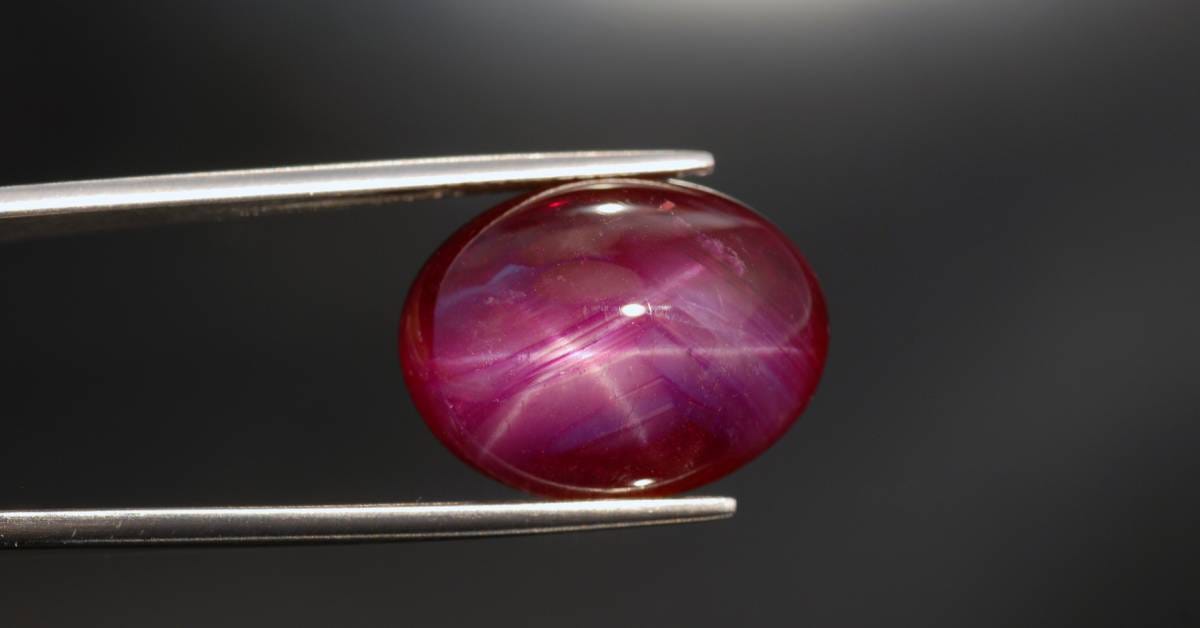
Certain gemstones are better for cabochon cutting based on the stone’s properties. Cabochons in opals emphasize their captivating play-of-color, which shimmers across their surface. With richly opaque hues, turquoise benefits from this cutting style as the technique brings out the stone’s vibrant color.
Stones such as labradorite and moonstone are popular as cabochons because of their adularescence, a remarkable optical effect that creates a soft, glowing sheen under the light. Jade, valued for its smooth texture and uniform coloration, is another gemstone traditionally cut in this manner, as the cabochon shape enhances its silky polish and durability.
Which Gemstones Are Commonly Cut as Faceted Stones?
Hard, transparent stones with high refractive indexes are ideal for the faceted cutting style. Diamonds are the most popular faceted gems due to their exceptional brilliance and ability to reflect light.
Sapphires and rubies are also common gems celebrated for their vivid and vibrant colors, enhanced by the cutting process. Emeralds with deep green hues benefit from tailored cuts like the rectangular step-cut design to minimize the appearance of natural imperfections.
Using the Right Gemstone Cutting Equipment
Using the right equipment is essential to achieving precise, professional results when working with gemstones. Tools such as diamond saws, grinding wheels, and polishing machines must be of high quality to handle the delicate nature of gemstones.
A reliable lapidary store is a valuable resource for obtaining these tools because they provide equipment suited for beginners and experienced artisans. High-quality tools ensure exceptional craftsmanship while protecting the gemstone throughout the cutting and polishing process.
Choosing between cabochons and faceted stones is a personal decision based on the gemstone’s properties and the jewelry piece’s intended purpose. Cabochons offer a timeless allure with their smooth, polished surfaces that highlight the natural elements of the stone, such as unique patterns and deep, rich colors. Faceted stones captivate people with their dazzling brilliance.
Each cutting style has its own story and brings a unique charm, making them exceptional options for different needs and preferences. To begin this amazing art form, visit Kinglsey North for lapidary supplies, cabochons, and more.