

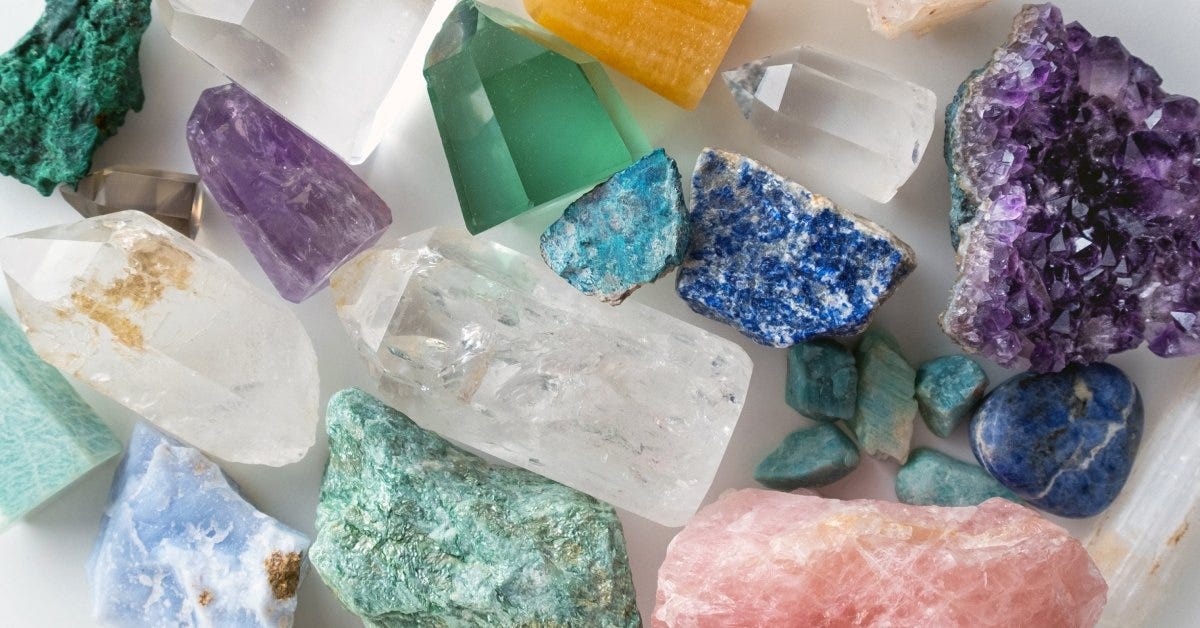
Tumbling rocks, mostly gemstones and minerals, have fascinated humanity with their natural beauty and utility for centuries. Since ancient times, people have collected, shaped, and polished rocks for decorative purposes, crafting jewelry, ornaments, and tools.
Rock tumbling has grown in popularity as a hobby and a professional field, offering a chance to transform rough stones into gleaming, polished pieces of art. Whether you’re new to rock tumbling or an experienced lapidary artist, you must understand the diverse types of tumbling rocks to achieve the best results.
Each rock type has unique characteristics such as hardness, composition, and luster, all influencing how it behaves during tumbling. This guide offers invaluable insights into the world of tumbling rocks.
Agate
Agate is one of the most popular choices among tumblers due to its striking banded patterns and various colors, including blue, orange, gray, and white. It’s a form of chalcedony, which belongs to the quartz family, and boasts a hardness rating of about 7 on the Mohs scale. This durability makes agate ideal for tumbling, as the material resists chipping and fracturing. Once polished, agate reveals mesmerizing patterns, making it a prized material for jewelry and decorative objects.
Jasper
Jasper, an opaque variety of chalcedony, stands out as an exceptional material for tumbling due to its remarkable characteristics. Popular for its striking array of earthy tones, jasper ranges from vibrant reds and rich browns to mustard yellows and deep greens, creating an attractive natural palette.
Its Mohs hardness of approximately 7 makes it strong enough to withstand shaping and polishing while achieving a smooth, glossy finish, enhancing its visual appeal. Its versatility and attractive properties make jasper a perennial favorite for tumbling projects, jewelry making, and lapidary artistry.
Quartz
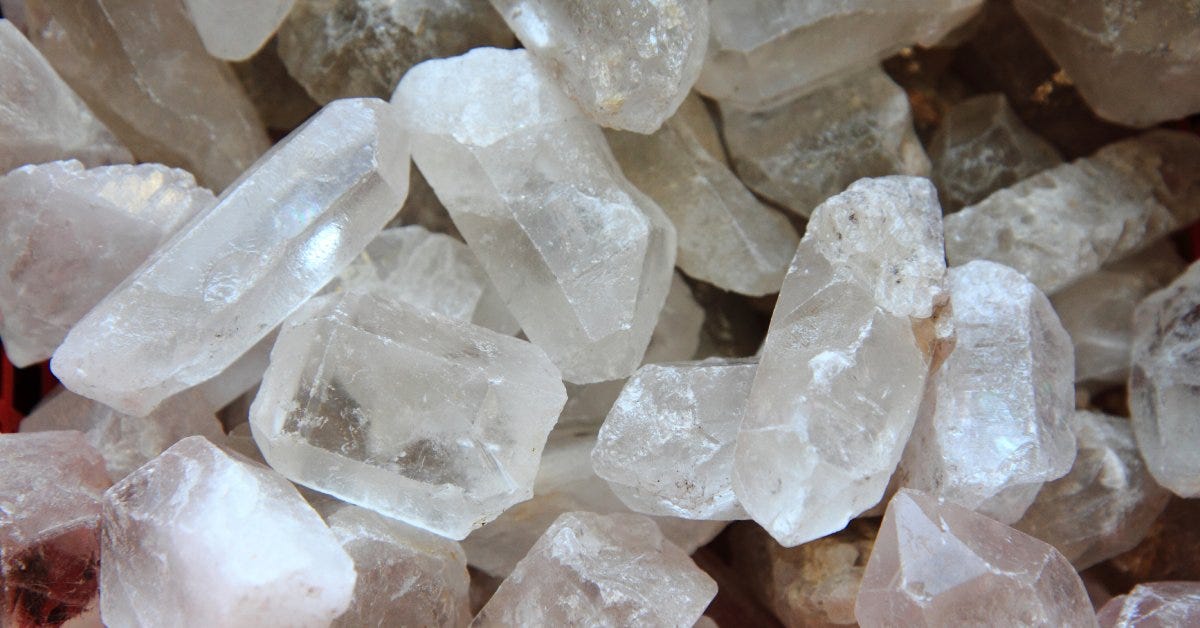
Quartz is one of the most abundant minerals on earth and a favorite for rock tumbling due to its clarity and vivid colors. Clear quartz, rose quartz, smoky quartz, and amethyst are all variations that work well in tumblers. With a Mohs hardness of 7, quartz is durable yet simple to polish, offering a beautiful translucent or crystal-like appearance once complete. These properties make it a beginner-friendly choice for those just starting their tumbling adventures.
Obsidian
Obsidian, commonly called volcanic glass, has a sleek, glossy appearance and deep, dark hues ranging from black to brown and green. Although its hardness is slightly lower at around 5.5 on the Mohs scale, obsidian can still handle a good tumbling with care. Its brittle nature requires extra attention to avoid chipping or cracking, but the results are wonderful and unique. Once polished, obsidian produces a mirror-like shine, making it a fantastic choice for distinctive jewelry or decorative items.
Tiger’s Eye
Tiger’s eye is a fascinating gemstone, renowned for its unique chatoyancy, which creates a captivating, shimmering effect resembling a cat’s eye when light reflects off its surface. This striking phenomenon, combined with its earthy golden, brown, and reddish hues, makes the tiger’s eye a truly mesmerizing material.
Composed primarily of quartz, it boasts a hardness of 6.5 to 7 on the Mohs scale, making it durable and relatively easy to work with during tumbling and polishing. When polished, the tiger’s eye achieves a radiant, silky luster that enhances its natural beauty and allure.
Aventurine
Aventurine is a captivating variety of quartz admired for its unique sparkling effect, known as aventurescence, caused by tiny reflective inclusions of minerals such as mica, hematite, or fuchsite. Jewelers, artisans, and hobbyists love this gemstone for its versatility and aesthetic appeal.
With a hardness of 6.5 to 7 on the Mohs scale, aventurine is durable enough to withstand the rigors of tumbling and radiates a rich, translucent glow. Its shimmering surface and eye-catching colors make it popular for decorative items, including beads, cabochons, and sculptures.
Hematite
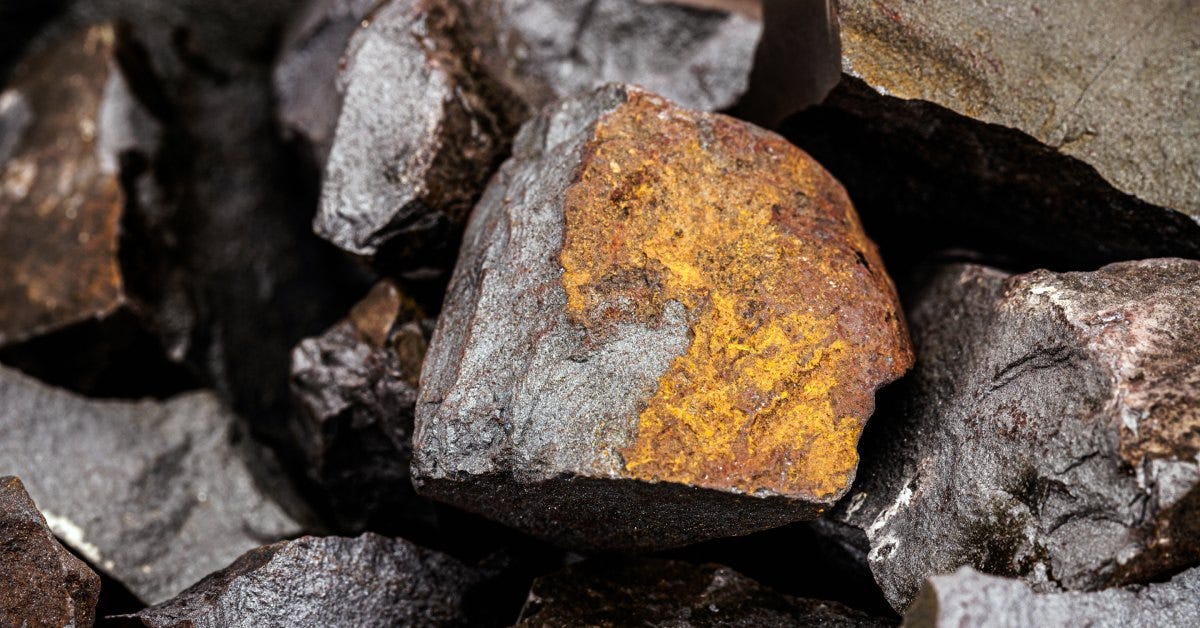
Hematite is a striking metallic stone predominantly composed of iron oxide, known for its shiny, reflective appearance that ranges from silvery gray to deep black. Popular for its distinctive luster and smooth surface when polished, hematite has become a favorite among collectors and jewelry designers for its sleek and modern aesthetic.
Tumbling hematite requires careful attention due to its lower hardness, rated between 5.5 and 6.5 on the Mohs scale, making it more prone to scratches during polishing. By employing reliable lapidary machines and using the right abrasives, hematite can achieve an impressive mirror-like finish that enhances its natural beauty.
Fluorite
Fluorite is a mesmerizing mineral celebrated for its vibrant color variations, including shades of purple, green, blue, yellow, and more unique combinations such as rainbow patterns. Despite its visual allure, fluorite is a relatively soft mineral with a Mohs hardness rating of 4, requiring delicate handling during cutting, shaping, or tumbling.
The tumbling process demands softer grits and careful attention to avoid chipping or damage. Polished fluorite pieces display brilliant, glassy finishes and striking color intensity. Beyond aesthetics, fluorite has metaphysical properties, enhancing clarity, focus, and emotional balance.
Carnelian
Carnelian, a stunning orange reddish-brown variety of chalcedony, has a vibrant warmth and timeless appeal. With its rich, glowing hues and smooth, glass-like texture, this semiprecious gemstone has become a favorite due to its ability to polish beautifully.
Its hardness rating of 6.5 to 7 makes it one of the best types of tumbling rocks and relatively easy to work with, producing pieces that showcase its natural beauty. Carnelian is popular for crafting elegant beads, pendants, and intricately designed jewelry, highlighting its radiant color and inherent charm.
Petrified Wood
Petrified wood is fossilized wood that transformed into stone through mineralization over millions of years. This unique material often retains the patterns and textures of the original wood, making it a fascinating choice for tumbling. With a hardness of 6.5 to 7, petrified wood is durable enough to withstand the tumbling process while revealing intricate details and vibrant colors. Polished pieces of petrified wood are popular among collectors and displayed as natural art pieces.
Rock tumbling is a rewarding activity that allows enthusiasts to uncover the inner beauty of natural stones. Each type of tumbling rock offers distinct characteristics, making the selection process exciting and educational.
Using reliable tumbling machines ensures consistent, high-quality results, helping to bring out the best in each stone. Whether you’re drawn to quartz’s vivid colors, agate’s mesmerizing patterns, or obsidian’s reflective beauty, you can uncover endless possibilities for creativity and discovery with tumbling rocks.