

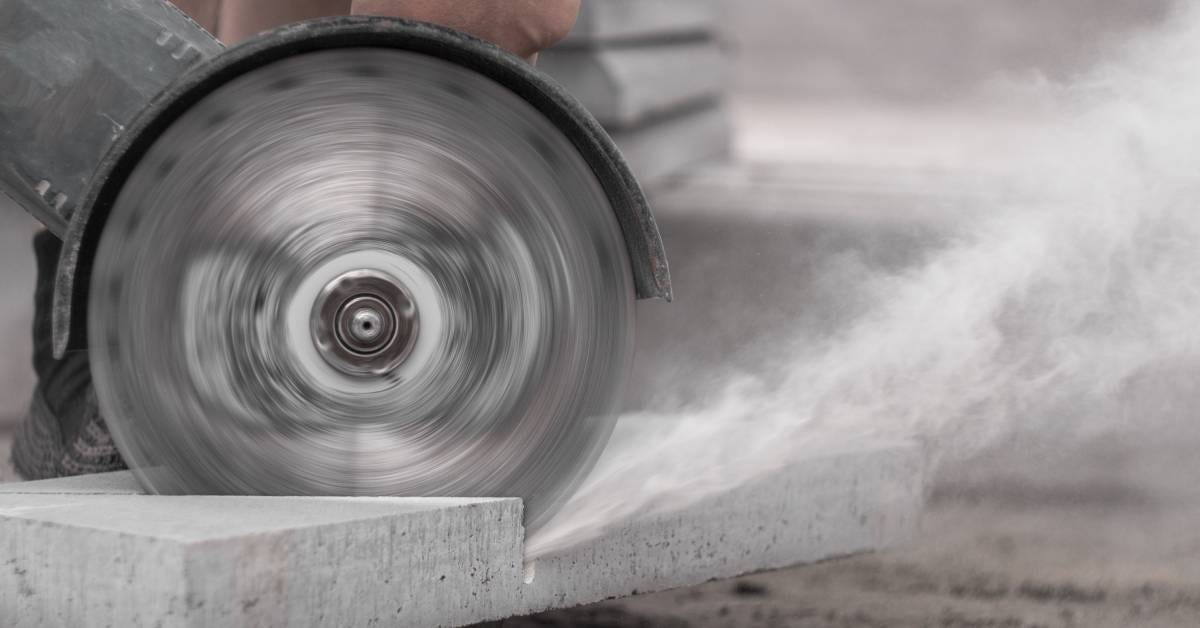
Cutting stones is an art and a science. The beauty of working with stone lies in its versatility, timeless appeal, and strength. It’s perfect for various applications, from ornate sculptures to sturdy countertops to intricate tile work.
However, mastering the craft requires understanding the proper tools, techniques, and safety measures to handle this tough material. Whether you’re looking to undertake small improvements or tackle large-scale designs, you can master the art of stone cutting. This guide on how to cut stones for your outdoor project will equip you with the knowledge needed to cut them correctly and overcome various challenges.
The Basics of Stone Cutting
Each type of stone possesses unique properties that influence how you should handle the cutting process. Hard stones like granite are incredibly durable; they require robust, specialized equipment to cut and shape. Soft stones such as limestone and sandstone are easier to manipulate, but they demand a more delicate touch to avoid damaging their structure.
Grain direction, internal inconsistencies, and natural weaknesses can affect the quality of the cuts, too. Taking the time to study the material beforehand ensures that you select the correct tools and apply the proper techniques, leading to more precise results.
Tools Needed for Stone Cutting
For an efficient and safe stone-cutting experience, having the right equipment is important. Here is a list of the tools you’ll need.
- •A circular saw with a diamond blade is ideal for straight, clean cuts on stones. The diamond blade ensures precise cuts, especially when working with harder materials.
- •The angle grinder is perfect for creating detailed shapes or smoothing stone edges. This tool offers flexibility for more intricate work.
- •A wet saw is useful for minimizing dust and achieving clean cuts, especially on natural stone tiles or slabs. It uses water to keep the blade cool and reduce debris.
- •A nipper is an excellent tool for nibbling away at small stone sections for detailed trimming.
- •A measuring tape and straightedge are necessary for marking precise lines and creating accurate cuts.
- •A marker or chalk are great for outlining the cutting areas. This provides additional clarity during the project.
- •Sandpaper polishes and finishes the cut stone.
- •A pair of safety goggles protect the eyes from flying debris while cutting and chiseling.
- •Protective gloves safeguard hands from cuts, blisters, and handling rough stone edges.
- •A dust mask or respirator prevents inhalation of fine stone dust, which can harm the lungs over time if it’s continuously inhaled.
- •Hearing protection, like headphones, reduces the risk of hearing damage when working with loud power tools.
With these tools and safety gear, you can handle stone-cutting tasks while ensuring precision and protection.
Prepare the Workspace
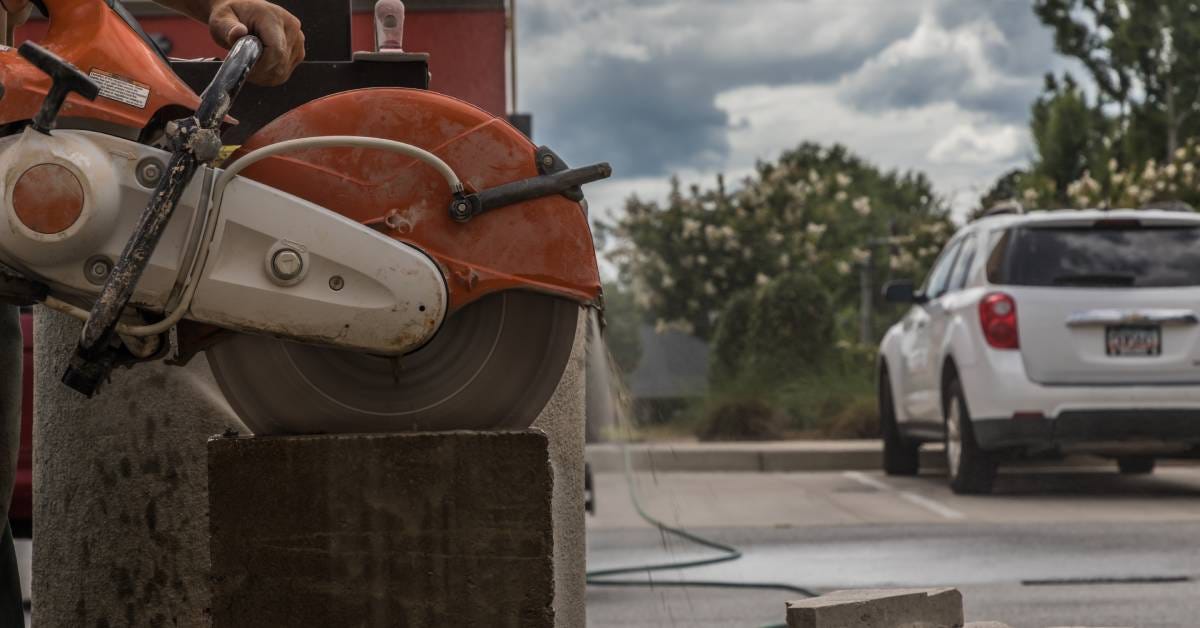
Setting up a good workspace is essential to achieving risk-free results. Begin by selecting a well-ventilated area, preferably outdoors, to prevent the accumulation of dust and fumes.
Place a sturdy workbench or sawhorse in the area to provide a stable surface for the stone. Make sure that the stone is firmly in place by using clamps that prevent shifting or movement during the process. Movement could lead to errors or put you in potential danger.
Keep the workspace clean and clutter-free. Organizing your tools and safety gear for easy access will avoid delays while working.
Mark the Stone
Before making any cuts, meticulously plan and mark the stone to ensure precision and avoid costly mistakes. Start by carefully measuring the dimensions of the cut you need to make, using the measuring tape for accuracy. Once you have the correct measurements, use chalk to outline the cutting line.
Take the time to double-check all measurements and markings so they’re accurate and aligned with your project plan. This step will minimize material waste and streamline the cutting process.
Choose the Right Blade for the Job
Selecting the right blade is crucial for achieving precise, efficient cutting results. A high-quality diamond blade is the best choice due to its exceptional durability and cutting performance.
These blades have industrial-grade diamonds embedded in the edge to facilitate clean, smooth cuts through hard surfaces. Consider factors such as blade size, rotation speed, and your project requirements to optimize the cutting process and protect the quality of the blade.
Make Straight Cuts Using a Saw
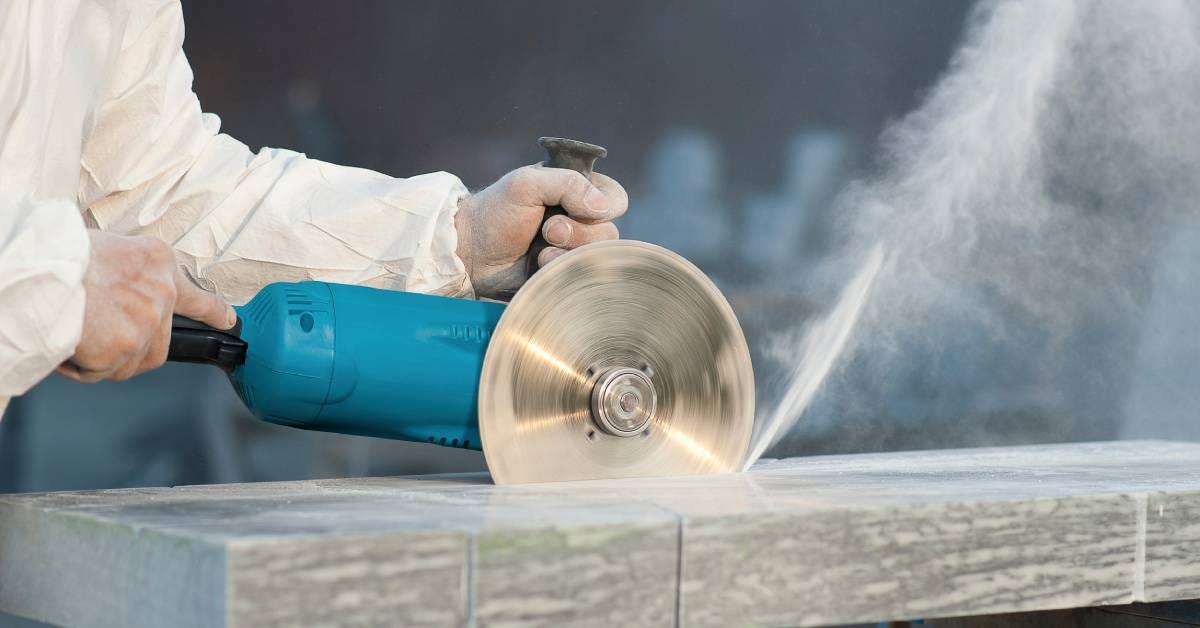
Begin by securely positioning the stone on a stable workbench to prevent movement during cutting. Mark the cutting line clearly and check its alignment before proceeding.
Position the saw blade carefully along the marked line. Start cutting slowly, allowing the blade to penetrate the surface without causing chipping or cracking. Maintain steady, consistent pressure throughout the process. Ensure the blade moves smoothly and evenly along the line. This approach improves the accuracy of the cut, minimizes potential damage to the stone and the blade, and produces a professional-quality finish.
Shape the Stone Using an Angle Grinder
Shaping stone with an angle grinder is a versatile technique that supports detailed work, especially when executing curved cuts or intricate designs. Always wear safety gear—such as goggles, gloves, and a dust mask—to protect yourself from flying debris and harmful dust.
Hold the grinder firmly. Make light, controlled movements to gradually remove excess material from the stone to shape it to the desired form. This method provides the accuracy and adaptability needed to achieve smooth results for complex shapes or custom outdoor projects, like garden pathways or sculptures.
Polish and Finish the Stone
After cutting the stone, polishing and finishing are essential for a refined appearance. Smooth the rough edges with coarse sandpaper or a grinding disc. Carefully work along the stone’s surface to remove sharp or uneven areas.
For a lustrous result, apply a polishing compound with a soft cloth or buffing tool to highlight the natural beauty of the stone. If the stone is for decorative purposes, using a sealant will enhance its color and sheen while protecting it against weathering or staining.
Understanding how to cut stones for an outdoor project teaches you that you can tackle any new hobby with confidence and preparedness. Whether you’re crafting a simple garden pathway or a complex retaining wall, each cut brings you closer to a beautiful, customized outdoor space.