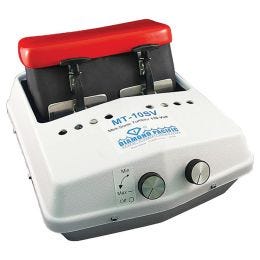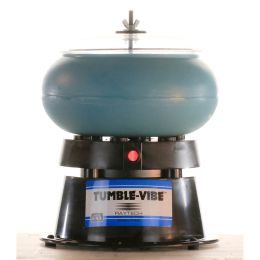

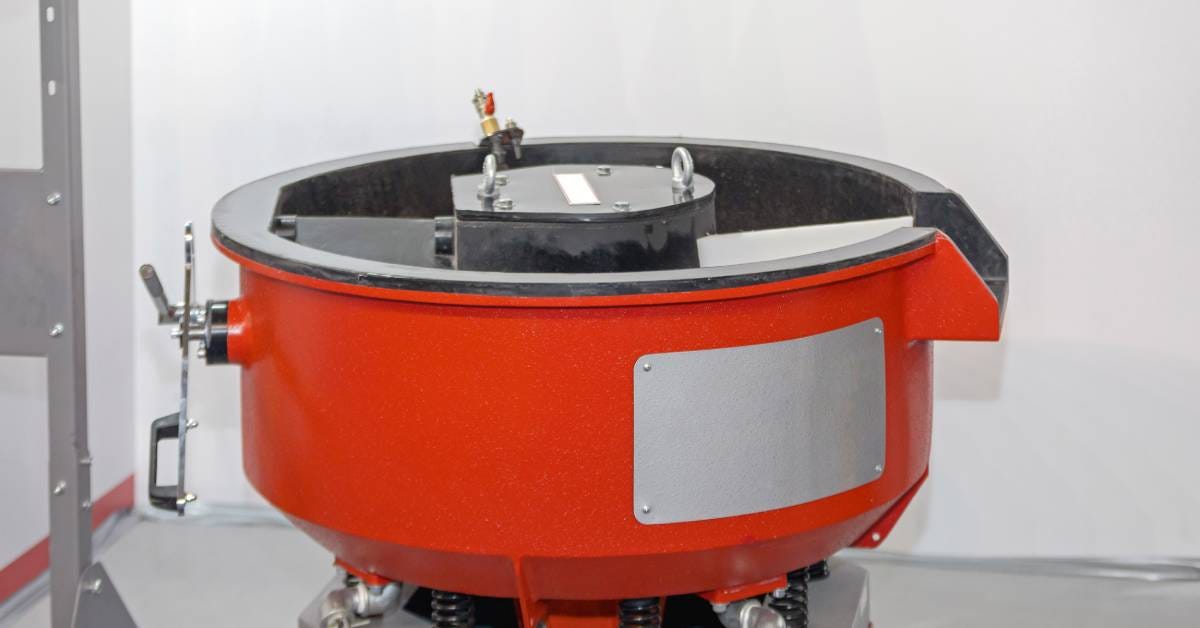
In material processing, vibratory tumblers stand out as an innovative solution for enhancing the efficiency and effectiveness of various tasks. These machines operate by utilizing a combination of vibration and abrasive media to facilitate the treatment of materials, making them invaluable for lapidary projects.
The process is not only streamlined but also results in a higher-quality finish compared to traditional methods. As vibratory tumblers can cater to a wide range of materials, from delicate jewelry pieces to robust metal components, their versatility is one of their key strengths.
The ease of use and the ability to adapt settings based on specific requirements make vibratory tumblers a preferred choice among users. The automated nature of these machines minimizes the need for manual labor, saving time and reducing the potential for human error. This guide to vibratory tumblers will equip you with the knowledge needed to choose the right machine for your needs.
What Are Vibratory Tumblers?
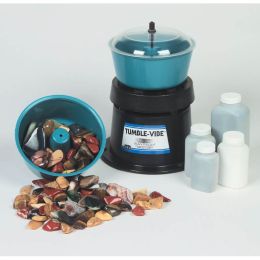
Vibratory tumblers are machines designed to facilitate the tumbling process. The mechanism employs vibration to create a motion that mimics the natural tumbling effect, providing a more uniform and efficient way to polish or finish materials.
The internal components typically consist of a bowl or drum, which holds the materials and media, along with a base that generates the necessary vibratory motion. This technology offers several advantages over traditional tumbling methods, making it a popular choice across various applications, especially for lapidary work.
The Mechanism Behind Vibratory Tumblers
To understand the effectiveness of vibratory tumblers, you must grasp the essential mechanics at play and how they influence the results. The tumbling process in these machines relies on the relationship between the vibratory motion and the media inside the bowl or drum.As the vibratory motion agitates the media and the parts, it results in a cascading and sliding action that leads to efficient material processing.
Key Benefits of Using Vibratory Tumblers

Different Types of Vibratory Tumblers
In the lapidary field, specialized vibratory tumblers are essential for shaping and polishing gemstones and minerals. Among the various types tailored for lapidary work, the following categories stand out:
Choosing the Right Vibratory Tumbler
Selecting the appropriate vibratory tumbler is crucial for achieving the best results in your lapidary projects. While one key factor is the number of rocks you plan to process at a time, this can be managed by adding filler, such as ceramic media, to take up space if you have fewer rocks. More important considerations include the size of the parts you want to process, the type of media used, and the desired finish.
It is equally vital to determine whether an adjustable tumbler, like the Mini-Sonic Solid State Vibratory Tumbler, or a fixed-speed counterweight bowl tumbler better suits your needs. Adjustable tumblers offer greater flexibility, allowing you to fine-tune the process for specific materials and finishes, while fixed-speed tumblers provide reliable performance for straightforward tasks. Understanding these differences can enhance both efficiency and the quality of your final results.
Maintenance Requirements
Proper maintenance of vibratory tumblers is crucial for ensuring their longevity and consistent performance. A routine maintenance schedule should include the following key practices:
- • Cleaning the bowls and media—After each use, it is essential to clean the bowls and media to prevent cross-contamination of materials and maintain effective tumbling results. Residue from previously processed materials can affect the quality of future batches.
- • Lubrication—Keep all moving parts well lubricated to ensure smooth operation. This includes the motor bearings and any pivot points. Over time, lubricant can degrade, leading to increased friction and potential breakdowns.
- • Monitoring vibration settings—Regularly assess and calibrate the vibration settings to avoid excessive wear on the machine and the materials being processed. Different tasks may require adjustments in frequency and amplitude, so being proactive can optimize performance and protect delicate items.
- • Checking electrical connections—Inspect electrical connections and wiring for any signs of damage or wear. Loose or frayed wires can lead to electrical faults, which not only hinder performance but may also pose safety risks.
- • Replacement of worn parts—Be vigilant about replacing any worn-out parts promptly. Whether it's sieves, seals, or the vibratory motor, addressing these replacements can prevent more significant malfunctions and extended downtime.
Media Selection
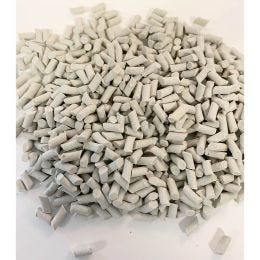
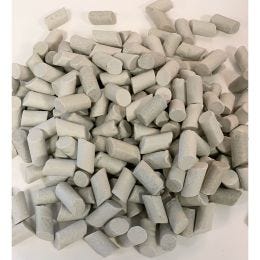
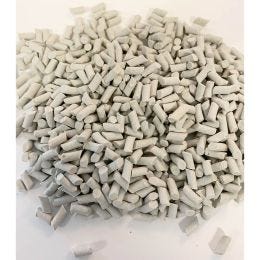
The choice of media is another critical aspect when using vibratory tumblers. Media can vary in material, shape, and size, and each type serves a unique purpose. Common media types include ceramic, plastic, with each offering distinct advantages depending on the application.
This unique lapidary equipment represents a sophisticated solution for material processing needs across various settings. By learning everything you must know about vibratory tumblers, you can fully leverage the capabilities of these machines. Embrace their potential and take your processing projects to new heights.