

Rock tumbling is more than just a hobby; it explores the heart of Earth’s geological wonders. This captivating activity invites enthusiasts to transform rough, unassuming stones into glistening, polished treasures that can become unique jewelry pieces.
The allure of rock tumbling lies in its artistic outcome and the journey of discovery it offers. Each stone found in riverbeds, beaches, or even your backyard becomes a potential masterpiece, holding the secrets of time and the natural processes that shaped it.
Having an in-depth guide to finding rocks to tumble is a critical step in this fascinating venture. The variety and stone types can dramatically influence your lapidary projects’ aesthetic quality and success. Understanding the properties that make certain rocks ideal for tumbling can help you make better choices.
Understanding Rock Tumbling Basics
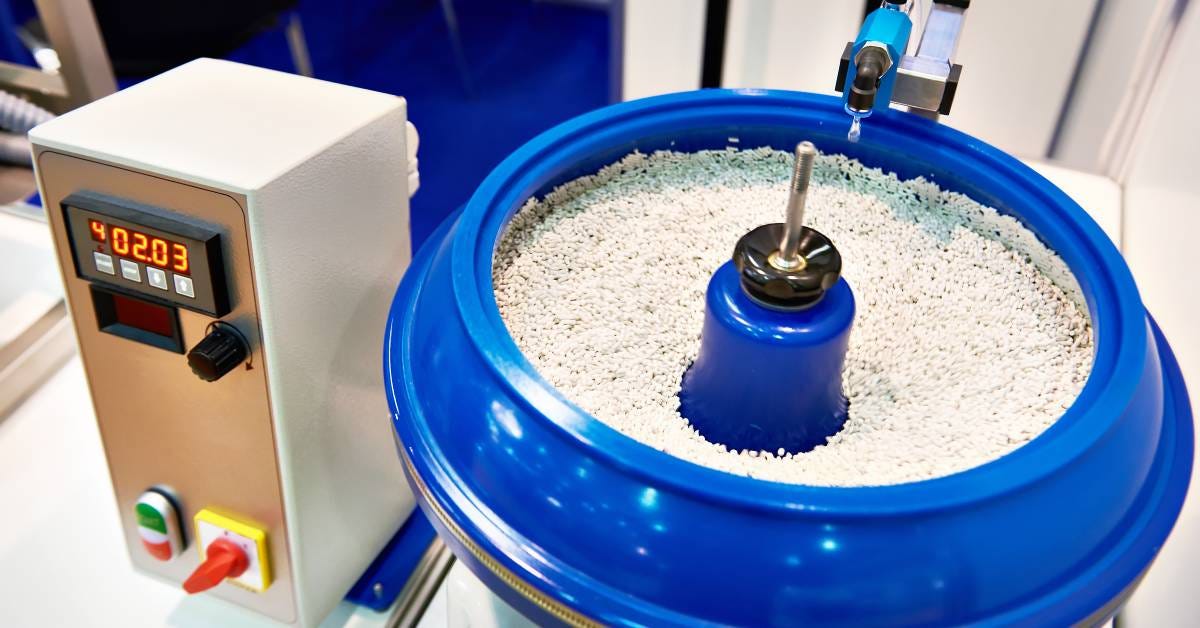
A comprehensive understanding of rock tumbling fundamentals is essential to successfully engage in this activity. Rock tumbling is a transformative process that enhances the raw beauty of rough stones by utilizing mechanical methods to attain a polished finish. Achieving this finish requires a rock tumbler, typically with a motorized base that facilitates the rotation of one or more cylindrical barrels.
These barrels contain rough stones, abrasive grits of varying coarseness, and water. The tumbling process unfolds in several stages over weeks, where rocks result in a gleaming, smooth surface. Each stage employs a different grit, starting from coarse to remove initial roughness and proceeding to finer grits for a polished sheen.
Types of Rocks Ideal for Tumbling
Focus on selecting rocks with a hardness of six to eight on the Mohs scale. This scale ranks minerals on a scale from one to ten, with one being the softest and ten the hardest. Such durability is necessary as softer rocks may crumble or fail to polish effectively, while harder stones can damage the tumbling equipment.
Among the best choices for rock tumbling are agate, jasper, and quartz, prized for their hardness, density, and ability to endure the tumbling process while achieving a brilliant luster. Understanding these rocks’ unique properties can enhance your tumbling experience, adding beauty and value to your collection.
Sourcing Rocks from Nature

Nature provides a bountiful selection of rocks perfect for tumbling, and exploring diverse landscapes can lead to unexpected discoveries. Beaches, riverbeds, and mountain streams are the best locations to start your search, as the water’s natural tumbling action has already begun smoothing the stones, making them excellent candidates for further tumbling.
Always consider the local environmental regulations when collecting your rocks and ensure you gather in permissible areas to protect fragile ecosystems and respect conservation efforts. Ethical rock collecting involves adhering to legal guidelines and maintaining the natural beauty of the habitats you explore.
Evaluating Rock Specifications
Assessing the rock’s size, shape, and texture is crucial when selecting them. A balanced mix of small and large stones is essential to ensure consistent and even results throughout the tumbling process, as varying sizes will fill gaps within the tumbler and promote uniform abrasions.
The ideal shape for tumbling is round or oblong since these forms allow for smoother movements and reduce the likelihood of sharp edges causing damage or scratching other stones. Texture is also significant; selecting rocks with relatively smooth surfaces free from pits or fractures can prevent undesirable outcomes, such as breaking or inconsistent polish.
Choosing Rocks from Rock Shops
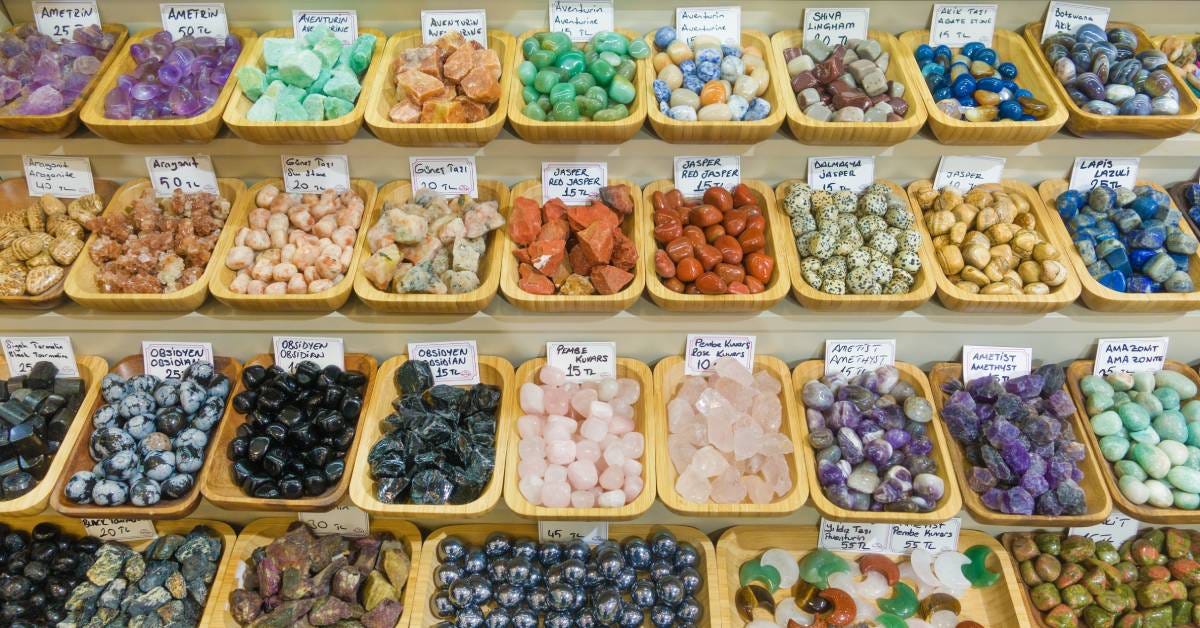
Rock shops offer an excellent resource for beginners and seasoned tumblers seeking to streamline their selection process. These shops provide an array of rough rocks, often pre-sorted by experienced enthusiasts, to cater specifically to tumbling needs.
Take advantage of the knowledgeable staff who can guide you in selecting stones that align with your objectives, whether for vibrant colors or unique patterns. Their insight can be invaluable, especially when considering factors such as mineral composition and ideal hardness.
The Importance of Rock Tumblers
Investing in a high-quality rock polisher tumbler is crucial for achieving exceptional results in rock tumbling. The choice of tumbler impacts the polished stone’s efficiency and quality, as it is the tool that facilitates the transformation of rough rocks into smooth and lustrous pieces.
A tumbler with a reliable motor and durable barrel ensures stability and consistency throughout the tumbling process, preventing interruptions or uneven results due to mechanical failures. High-quality tumblers often feature adjustable speed settings and versatile barrel options, allowing for more precise control over the tumbling stages, accommodating different types and sizes of rocks.
Experimenting With Different Types of Rocks
Experimenting with different types of rocks is an exciting and rewarding aspect of rock tumbling, inviting everyone to expand their skills and creativity. Once you have a solid grasp of the basics, learning about the array of rock types can unveil unique attributes and challenges fundamental to each stone.
Amethyst, tiger’s eye, or malachite provide distinct textures and colors that may alter the tumbling process, encouraging you to adapt techniques for optimum results. The process can reveal unexpected favorites, showcasing stones that shine brilliantly when handled with care and innovation.
Avoiding Common Pitfalls
Successfully navigating the rock-tumbling process requires awareness and avoidance of common pitfalls that can undermine your efforts. Overloading the tumbler is a frequent mistake, leading to inefficient operation and poor polishing results as the stones may not tumble freely.
Fill the tumbler barrel to the recommended capacity, typically 60-75%, allowing ample room for movement. Mixing incompatible rock types or sizes in the same batch can cause irregular abrasion, chipping, or damage to rocks and equipment. According to the Mohs scale, maintain consistency in hardness levels to ensure uniform tumbling.
Patience is Key
Cultivating patience is integral to the art of rock tumbling, as it’s a journey that demands time, commitment, and an appreciation for each stone’s gradual transformation. Each batch of rocks could take several weeks to complete, a period essential for achieving a high-quality polish and showcasing the rocks’ natural beauty.
Patience inhibits the temptation to cut corners, such as rushing through the tumbling stages or reducing the crucial polishing time, which can lead to poor results. Instead, viewing each phase as an opportunity for learning and anticipation enriches the experience, preserving the sense of wonder and excitement.
Use this in-depth guide to find rocks to tumble and strengthen your understanding of the characteristics of good tumbling stones. Additionally, explore various sourcing opportunities and invest in a quality rock polisher tumbler. Following these guidelines will help you elevate your rock tumbling adventures, creating beautifully polished stones that show your effort and dedication to this absorbing hobby.