

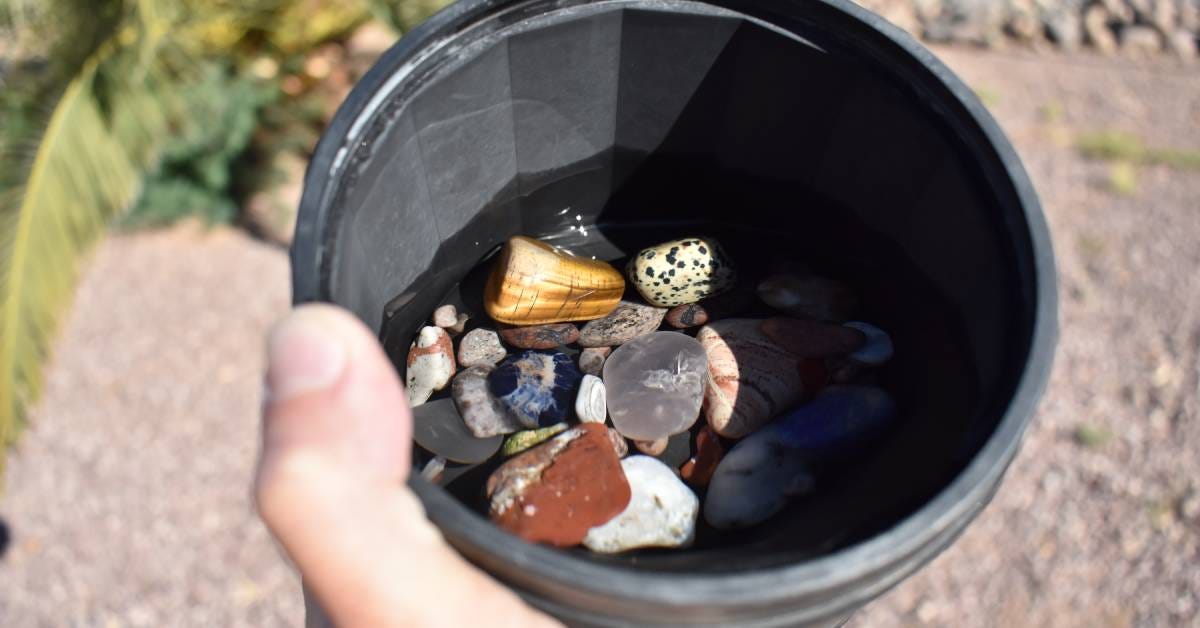
Rock tumbling is a fascinating hobby that combines science and art, offering enthusiasts a chance to transform rough stones into polished gems. This process involves using a rock tumbler, a device that simulates the natural phenomenon of erosion, smoothing and polishing stones over time.
Choosing the right tumbler is crucial for successful rock tumbling, and with the abundance of options available, it can be overwhelming for hobbyists to make an informed choice. This rock-tumbling guide for hobbyists will simplify the process by providing insights and practical advice on selecting the right stone tumbler.
Understanding Rock Tumblers
Rock tumblers act as mechanical substitutes for the natural processes of erosion and weathering that smooth and polish stones over many years. These devices operate with a rotating drum, or barrel, that gradually wears down the rough edges of rocks by repeatedly agitating them with a compound known as grit.
Grit is an abrasive agent that facilitates the desired finish, from smoothing to a high polish. Integral parts of the rock tumbler include the barrel, the motor, and the grit itself, which comes in various qualities and types, affecting the tumbling duration and result.
Types of Rock Tumblers
Rock tumblers are tools for hobbyists looking to transform raw stones into polished gems. There are two types: rotary tumblers and vibratory tumblers. Each type offers distinct advantages, appealing to different preferences and levels of experience.
Rotary Tumblers
Rotary tumblers are the most popular for beginners in the world of rock tumbling. These devices feature a rotating barrel, where stones interact with abrasive grit. As the barrel turns, the stones continuously tumble against each other and the abrasive compound, gradually rounding and smoothing their edges over time. This process mimics natural erosion in riverbeds and coastal areas, making rotary tumblers excellent tools for shaping stones.
Vibratory Tumblers
Vibratory tumblers utilize a shaking or vibrating motion to polish stones in a bowl-like chamber. Unlike rotary tumblers, vibratory tumblers do not significantly alter the shape of stones; instead, they efficiently polish them by rubbing them together with grit at higher frequencies. This method is faster and conserves the original contours of the materials, making vibratory tumblers an excellent choice for those who wish to preserve the distinct features of their stones.
Barrel Size Matters
When choosing quality stone tumblers, the size of the barrel determines the efficiency of the tumbling process and the volume of processed stones. Selecting the appropriate barrel size directly impacts your capacity to handle projects ranging from small personal endeavors to larger-scale tumbling operations.
Smaller barrels are ideal for individual or limited-batch projects, allowing careful attention to detail and precise tumbling oversight. Larger barrels cater to higher volume processing, significantly enhancing productivity by accommodating more stones at once.
Choosing the Right Grit

Selecting the appropriate grit is critical to achieve the optimal finish for your stones during rock tumbling. Grit functions as the abrasive agent that sculpts raw stones into smooth, polished gems. It is available in several grades of coarseness, each suited for different stages of tumbling.
The process begins with coarse grit, used to round off rough edges and surfaces, gradually shaping the stones. Once the stones have smooth edges, medium grit refines the surface further, enhancing the stones’ overall contours. Fine grit reveals the stones’ natural luster by smoothing minor scratches from the previous stages. The final polish stage employs a fine abrasive that polishes the stone to a mirror-like finish, achieving sparkle and shine.
Motor and Power Considerations
When evaluating a tumbler, you must examine the motor’s power rating and durability to ensure it can sustain the demanding, continuous operation required. A powerful motor is crucial for tumblers with larger barrels since they bear a greater load due to the heavier mass of stones and grit inside.
The longevity and construction quality of the motor are vital for reliability, as a robust and well-built motor can withstand frequent use without overheating, offering a seamless tumbling experience. Choosing a tumbler with a suitably powerful and durable motor will significantly enhance your rock tumbling endeavors, ensuring efficiency and longevity and ultimately delivering exceptional polishing results.
Maintenance and Durability
Investing in a rock tumbler that offers durability and ease of maintenance is crucial for ensuring longevity and reliable performance. Choose models crafted from high-quality, robust materials designed to withstand the rock tumbling process’s repetitive motion and rigorous nature.
Metal housing and sturdy construction are popular attributes, providing greater resistance to wear and the abrasive effects encountered during tumbling. Consider the ease of maintenance; features such as accessible motor components and replaceable belts or barrels can simplify upkeep, enhancing its operational lifespan.
Accessories and Extras
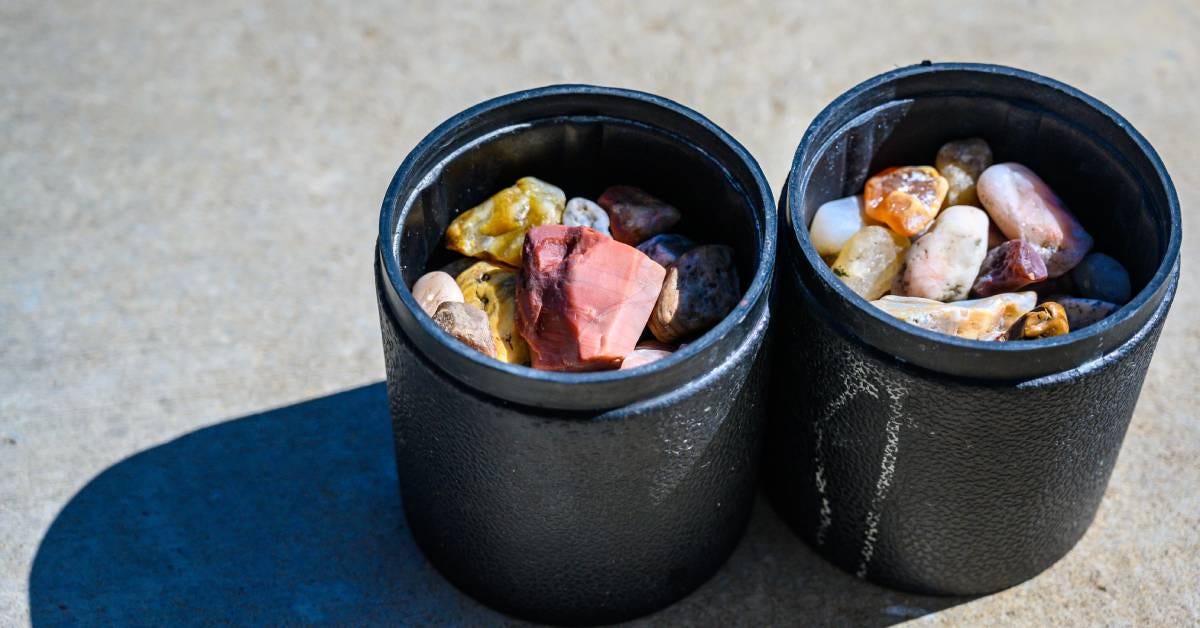
Enhancing your rock tumbling experience often goes beyond selecting the right tumbler; it also involves investing in a range of accessories that streamline and optimize the process. Consider purchasing additional barrels, which are incredibly handy for managing different stages of grit without having to clean between each phase.
Spare parts, such as replacement belts or motors, ensure your tumbler continues to run smoothly without interruption, allowing for consistent operation even if its original parts wear out. A selection of polishes and shine agents is also essential for achieving the ultimate glossy finish on your stones, enhancing their aesthetic appeal.
Budgeting for Your Hobby
Establishing a budget for your rock tumbling hobby involves balancing cost, quality, and desired features. Rock tumbler prices can vary significantly depending on factors like the brand, size, power, and additional features. While the most affordable models may seem appealing due to their low initial investment, you must consider the longevity and performance they offer.
Opting for a slightly higher-priced, well-reviewed, and reliable tumbler often results in better value over time, as it can perform more efficiently and reduce the need for frequent repairs or replacements. Investing in a model with high-quality construction and essential features tailored to your needs will enhance the enjoyment and outcomes of your hobby and mitigate frustrations and unexpected expenses.
Rock tumbling is a rewarding hobby that requires patience, precision, and the right equipment. By following this rock-tumbling buying guide for hobbyists, you can confidently make an informed decision and embark on your tumbling journey. Choosing quality stone tumblers is an investment in the joy this unique hobby can bring into your life.