

Lapidary work, the art of shaping and polishing stones, requires specialized tools to achieve the best results. Saw blades are crucial among these tools, allowing artisans to make precise cuts and create intricate designs from various types of gemstones.
The choice of saw blade in lapidary projects can greatly influence your cutting process’s efficiency and the quality of the finished piece. Different materials, such as agate, jade, or quartz, demand specific blade saw blades designed to handle their unique hardness and structure.
Understanding the different saw blade types and the essentials allows you to select the right tool to enhance your craftsmanship, whether you’re a seasoned expert or a beginner. This guide will explore these specialized saw blades, their applications, and tips for maintaining them for optimal performance in your lapidary projects.
Introduction to Saw Blades
Saw blades are tools that employ sharp edges to cut through materials. While they may appear straightforward, a blade’s specific design and construction can vary considerably based on its intended application. Factors such as stone composition, the cutting speed, and the desired finish are all critical for determining which saw blade to use.
Understanding the nuances of each type of saw blade and proper maintenance techniques, such as regular cleaning and periodic sharpening, ensures you can maximize their lifespan and cutting efficiency. By investing the time to choose and care for your saw blades, you’ll enhance the quality of your work and the enjoyment of your lapidary projects.
Types of Saw Blades
Saw blades are integral to lapidary projects as they directly influence the precision and quality of cuts made in various gemstones. Quality lapidary saws effect the cutting speed and the polished stone’s appearance. Here are the most popular types:
Diamond Wire Blades
Diamond wire blades consist of a thin wire coated with diamond grits, allowing for precise cutting and minimal material waste. These blades are effective for slicing through fragile or brittle stones without the excessive pressure that traditional blades might exert. Their flexibility also facilitates intricate cuts and curves, making them a favorite among advanced lapidary artists.
Slab Saw Blades
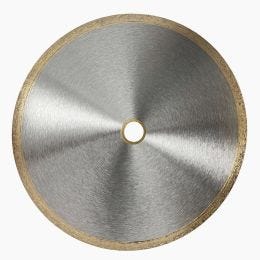
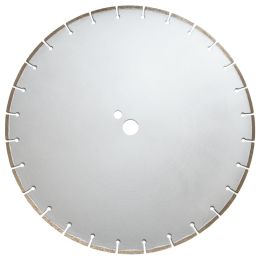
Slab saw blades can cut larger stones into slabs. These blades are wider and thicker than standard blades, enabling them to withstand the demands of heavy materials. They are ideal for preliminary cuts, providing a flat surface that you can further shape and polish with finer blades.
Thin Kerf Blades
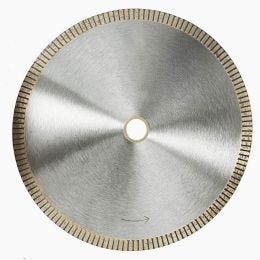
Thin kerf blades have a narrower width than standard saw blades, reducing the amount of material removed during cutting. This feature is especially advantageous when working with expensive or rare stones, as it conserves material while delivering precise cuts. Thin kerf blades are great for detailed inlay work or intricate designs.
Choosing the Right Blade for the Job
Selecting the appropriate saw blade for your project can save time and ensure better results. Consider factors such as the type of material, thickness, and desired finish when making your choice.
-
When selecting lapidary blades for trim saws, the key consideration is whether to use a thin kerf or a thick kerf, depending on your specific needs.
For trim saws, a thin kerf blade is ideal when working with expensive or delicate materials, as it minimizes material loss. Because these blades are thinner, they should be run at a higher RPM to ensure stability and efficient cutting. For general trimming tasks, however, a blade thickness of 0.032" or 0.040" is recommended. These slightly thicker blades provide a more stable cut and offer more diamond content, enhancing durability and performance over time.
For slab saws, it is essential to choose a blade specifically designed for lapidary use. Many tile saw blades, commonly available at hardware stores, are unsuitable for lapidary work. These blades are designed for cutting tile materials and operate at much higher RPMs than what is appropriate for lapidary applications. Using the right lapidary-specific blade ensures optimal cutting performance and prevents damage to both the material and the saw.
Maintenance of Saw Blades
Proper maintenance is essential for extending the life of your saw blades. Regular cleaning, checking for damage, and sharpening the blades when necessary, maintains their optimal performance.
Cleaning Saw Blades
After each use, wipe down the blades to remove any buildup of resin, stone dust, or other debris. Use a soft brush or cloth to gently scrub the blade. Avoid using harsh chemicals that may damage the blade’s coating or structure.
Inspecting for Damage
Frequent inspections are crucial to identifying wear and tear. Check the blades for any signs of chipping, bending, or dulling. Inspecting the teeth closely can reveal issues that may not be immediately apparent. If you detect any damage, it’s essential to replace the blade or seek professional sharpening.
Proper Storage
Properly storing saw blades prevents damage and prolongs their lifespan. Store blades in a clean, dry environment, ideally hung or placed in protective cases to avoid contact with other tools that might nick or dull the teeth.
Lubrication
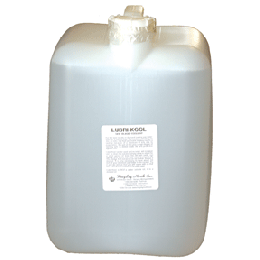
Applying a suitable lubricant to the blade before using it can improve cutting efficiency and prolong the blade’s life. Lubricants reduce friction and heat build-up during cutting, leading to faster cuts and less wear on the blade.
Understanding the different types of saw blades and the essentials is crucial for anyone involved in cutting materials. With an array of options designed for specific tasks, selecting the appropriate blade can enhance your work’s efficiency and quality. By investing in quality tools and adhering to best practices, you can ensure outstanding results in every project.