

The right saw can transform your lapidary work, taking your projects from average to exceptional. Slab saws and drop saws each serve unique purposes, and knowing which to use can save time, material, and effort.
We’ll explain the differences between slab saws and drop saws, outlining their features, uses, and ideal projects. When the time comes, you’ll know which to rely on to create those stunning stone pieces you’ve been dreaming about.
What Is a Slab Saw?
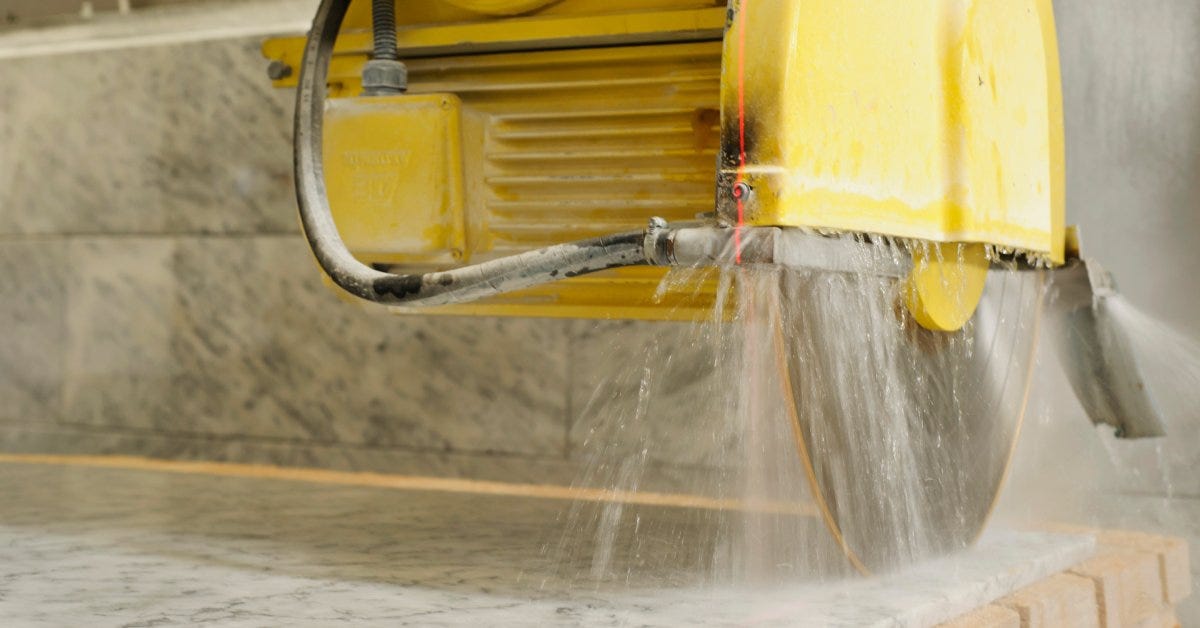
A slab saw is designed to cut through thick materials like stone, glass, and metal slabs. It’s ideal for heavy-duty tasks involving dense materials that need precise, clean cuts. A slab saw is commonly used in masonry work, lapidary tasks, and artistic projects like cutting custom tiles.
Slab saws use durable diamond blades to handle hard materials. They have cooling systems with water or oil to keep the blades from overheating and extend their lifespan. While slab saws operate more slowly than other types of saws, they are renowned for their clean and precise cuts.
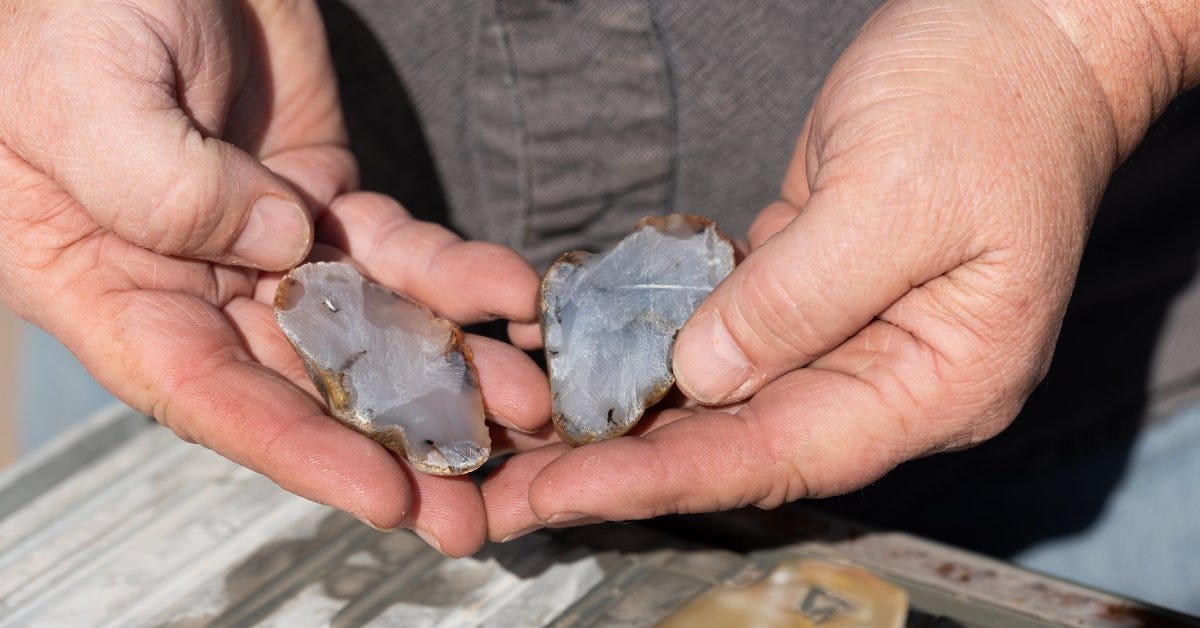
They are perfect for cutting thick stone slabs for countertops or other construction projects. In lapidary work, they excel at slicing gemstones or rocks with precision. Lapidary trim saws are smaller versions designed for detailed cuts in rock and gemstone work.
What Is a Drop Saw?
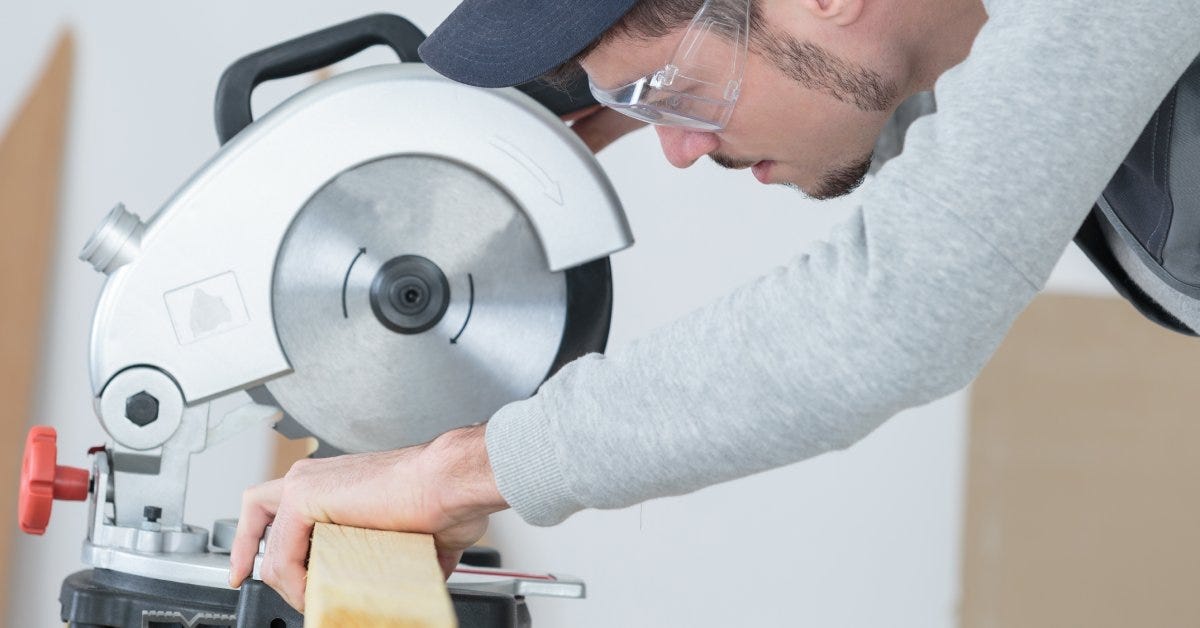
A drop saw, which is sometimes called a miter saw, is a versatile tool designed for precise cuts at various angles. They are used primarily for woodworking but can handle softer metals and plastics. Drop saws are commonly used in construction, furniture making, and home improvement projects because of their efficiency and adaptability.
A drop saw features a pivoting blade that moves downward onto the material and an adjustable base for angled cuts and bevels. These saws are built for efficiency, allowing people to make quick, accurate cuts without the learning curve of more complex saws.
Drop saws excel at cutting wood for framing, molding, or trim work, crafting furniture with precise angles, and completing various hobby projects. Their perfect balance of speed and precision makes them an essential tool for professionals and hobbyists.
Key Differences Between Slab Saws and Drop Saws
Here are the differences between a slab saw and drop saw across important criteria such as material compatibility, cutting mechanisms, and ease of use.
Material Compatibility
Slab saws excel at cutting hard, dense materials such as stone, ceramics, thick glass, and metal. For example, if you’re cutting granite for a countertop, a slab saw is the perfect tool for the job.
On the other hand, drop saws are better suited for wood, plastics, and some thin metals. They are an excellent choice for crafting display stands for gem collections and building custom wooden boxes to showcase polished gems.
Cutting Mechanism and Blade Type
A slab saw uses a stationary blade, requiring you to guide the material through it. Its diamond blade is kept cool with water or oil lubrication, allowing it to cut through tough materials without overheating or damaging the material.
In contrast, a drop saw features a mounted blade that pivots downward. Unlike the slab saw, the drop saw operates without a cooling system, as it is not designed for cutting heavy-duty materials.
Speed vs Precision
Slab saws operate at a slower pace but excel in delivering precise cuts. Even the hardest materials don’t stand a chance, making them ideal for projects that require accuracy.
On the other hand, drop saws are faster and perfect for quick cutting tasks. While they offer decent precision for wood and softer materials, they are not suitable for cutting through thick stone slabs.
Portability and Size
Slab saws are heavier and larger, making them ideal for workshop use rather than portability. Their necessary built-in cooling systems add to their weight and size.
Drop saws, by contrast, are compact and portable. They’re easy to transport to job sites or store in smaller workspaces.
Ease of Use
Slab saws can be more challenging to use, requiring practice to handle effectively. Drop saws have straightforward controls and are much more beginner friendly. They have become a favorite for home improvement projects or those returning to crafting after many years away.
Maintenance Requirements
Slab saws must be maintained regularly by replacing blades, refilling coolant, and cleaning water or oil tanks. Drop saws are easier to maintain, as they typically only need occasional blade replacements and base adjustments.
How To Choose the Right Saw for Your Needs
Selecting the right saw depends on your specific projects, materials, and personal circumstances.
Assess Your Projects
If your tasks involve cutting stones, a slab saw is your best option, as it’s excellent for heavy-duty use. A drop saw is a better choice if your project involves cutting wood or you need angled cuts.
Consider Frequency of Use
Investing in a high-quality slab saw is a smart choice if you frequently work on intensive projects. However, for occasional smaller projects or woodworking tasks, a reliable drop saw is perfect for the job.
Evaluate Budget and Space
Slab saws are more expensive and require adequate workshop space, making them suitable for experienced crafters. At Kingsley North, we offer specialized options for those looking for high-quality equipment.
Drop saws typically cost less, are available at varying prices, and are convenient for smaller workshops.
Safety Considerations
Both saws require proper safety precautions. You should always wear goggles and gloves and firmly secure the material you’ll be cutting. When using a slab saw, it is important to manage the coolant system to prevent overheating.
Tips for Proper Use and Maintenance
Here are some essential tips to help you use and maintain your equipment effectively.
- • Always use the appropriate blade for your material.
- • Keep blades sharp to enhance their performance.
- • Establish a regular cleaning routine, particularly for slab saw cooling systems.
- • Wear the right safety gear, including goggles, gloves, and ear protection.
Choosing the Right Saw Makes Every Project Better
Understanding the tools at your disposal is the first step to a successful project. Picking the right saw for your material and project guarantees efficiency, precision, and safety.
Whether you are slicing stone slabs for a countertop or making angled cuts for woodworking, matching your tool to the task delivers better results. Remember, maintaining your saw is just as crucial as learning to use it!
It’s always worth investing in the right equipment for your projects. Now that you know the differences between slab saws and drop saws, what saw will you add to your workshop next?