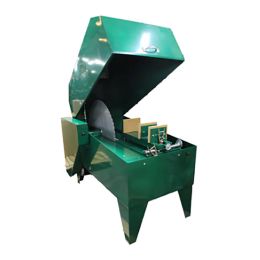

The art of lapidary, or stone cutting, has been revered throughout history for its ability to transform rough rocks into stunning masterpieces. Central to this craft is a highly specialized tool known as the lapidary slab saw, which is crucial for the transformation process.
These slab saws represent a fascinating intersection of engineering, artistry, and science. They utilize unique blades and various cooling systems to ensure smooth, efficient cutting while minimizing wear and tear on the tool and the stone.
This guide covers everything you need to know about lapidary slab saws, from their construction and functionality to essential maintenance practices and safety tips. Whether you are an experienced cutter or a beginner, mastering these tools can greatly enhance your lapidary projects, allowing you to create polished gems that showcase their natural splendor.
What Are Lapidary Slab Saws?
Lapidary slab saws are precision tools designed for cutting large pieces of rough rock into flat slabs that can be made into cabochons or other decorative items. Unlike general-purpose saws, lapidary slab saws can handle the unique challenges posed by dense mineral materials.
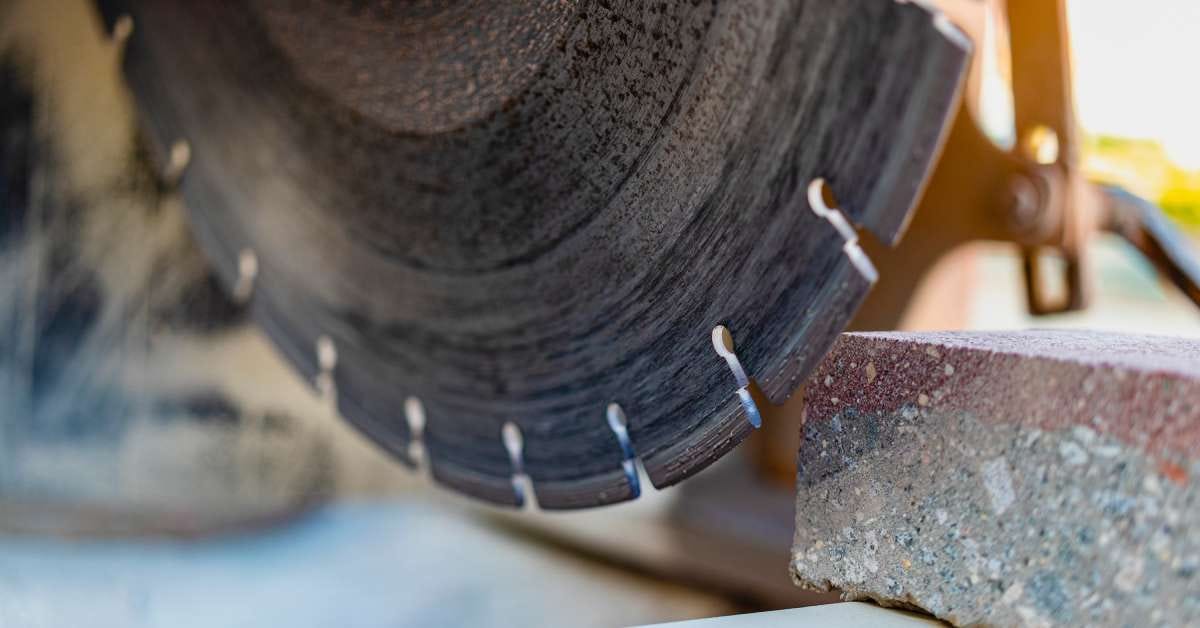
These saws consist of several key components that contribute to their specialized function. The most critical part is the diamond-tipped blade, which is essential for cutting through hard materials like quartz, jasper, and agate. The industrial-grade diamond tips make the saws exceptionally durable and capable of making precise cuts.
How Do Lapidary Slab Saws Work?
The process of using a lapidary slab saw begins with securely placing the rough stone on the saw’s carriage, often aided by a vise or clamp to keep it steady during cutting. The operator then aligns the stone with the spinning diamond-tipped blade, positioning the intended cut line accurately. Once the machine is on, the blade starts rotating at high speeds, slicing through the tough mineral material.
As the blade makes contact with the stone, the coolant system kicks in, continuously lubricating the cutting interface. This coolant serves to dissipate the heat generated by the friction between the blade and the stone. As the blade continues to slice through the material, careful monitoring by the operator ensures that the stone remains stable and the coolant level is adequate for optimal cutting conditions.
What Are the Different Types of Slab Saws?
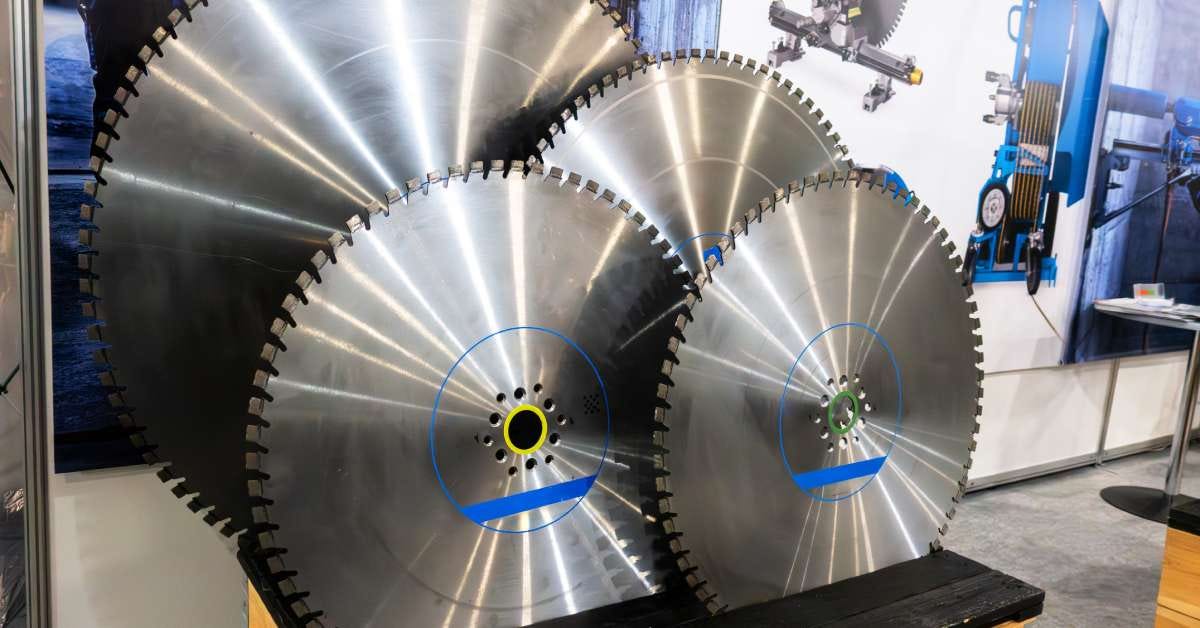
There are several types of slab saws, each catering to different cutting needs. For instance, some saws come with automatic feed mechanisms, ensuring consistent pressure and speed during the cutting process.
Trim Saws
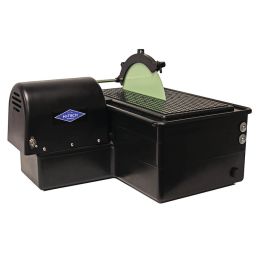
Trim saws have smaller blades, usually ranging from 4 to 10 inches in diameter. These saws are perfect for precise, detailed work, such as trimming the rough edges of slabs or cutting smaller stones into more manageable sizes. Trim saws are highly versatile, often used for creating cabochons, small jewelry pieces, and other fine lapidary work.
Large Slab Saws
Large slab saws can handle significantly bigger and tougher pieces of rock. With blade sizes often exceeding 18 inches in diameter, these saws are capable of slicing through substantial stones to produce large, flat slabs. They are essential for serious lapidarists who work with large geodes, agates, or similar bulky mineral specimens.
Auto-Feed Saws
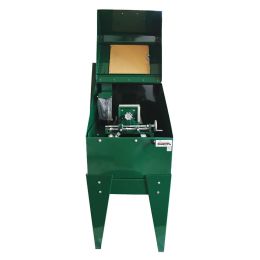
Auto-feed slab saws are popular for their convenience and consistency. These machines have an automated system that incrementally advances the stone toward the blade, ensuring a uniform and controlled cut. This is helpful for lengthy cutting sessions, as it reduces the need for constant manual adjustments.
Overhead Rail Saws
Overhead rail saws are a unique variant that employs a rail system to support and guide the blade as it cuts through the stone. This setup provides exceptional stability and control, making it easier to achieve precise cuts on large or irregularly shaped stones. The overhead rail mechanism ensures that the blade remains perfectly aligned with the stone, minimizing the risk of deviations and ensuring a cleaner cut.
Tabletop Saws
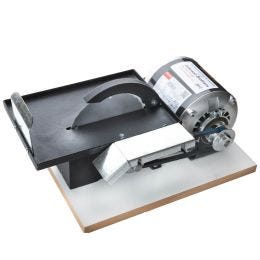
Tabletop saws are smaller, more portable units designed for convenience and ease of use. They are perfect for hobbyists who need a compact tool for occasional stone cutting. Despite their smaller size, tabletop saws can still produce excellent results, especially when working with smaller stones or limited space.
What Are Some Key Features To Look For?
When selecting a reliable lapidary rock-cutting saw, there are several features that you must consider based on the work you want to achieve.
Blade Quality and Type
Diamond-tipped or bonded blades are generally the best option, as they provide longevity and the ability to cut through the hardest minerals. You can also choose between continuous rim blades, which offer smooth cuts, and segmented rim blades, which enhance cooling and debris removal.
Cooling System
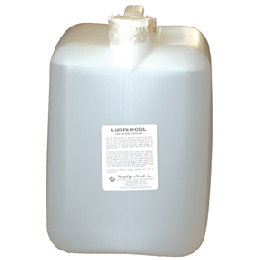
An efficient cooling system is essential to prevent damage to the stone and the blade during operation. There are two primary types of coolants used in these systems: water and oil-based. Look for a saw with a reliable pump that ensures continuous coolant flow.
Motor Power
The motor power of the saw directly influences its ability to cut through dense and hard materials. Higher horsepower motors are best for cutting large and tough stones. It’s crucial to match motor power with the size and type of materials you plan to work with to avoid overloading the saw.
Feed Mechanism
A good feed mechanism ensures that the stone moves steadily and uniformly toward the blade. Look for adjustable feed rates to customize the cutting speed according to the material’s hardness and thickness.
Build Quality
The overall build quality of the saw reflects its durability and reliability. High-quality materials, like stainless steel for the frame and high-grade plastics for non-metal parts, ensure a longer lifespan and resistance to wear and tear.
What Are Some Safety Precautions To Know?
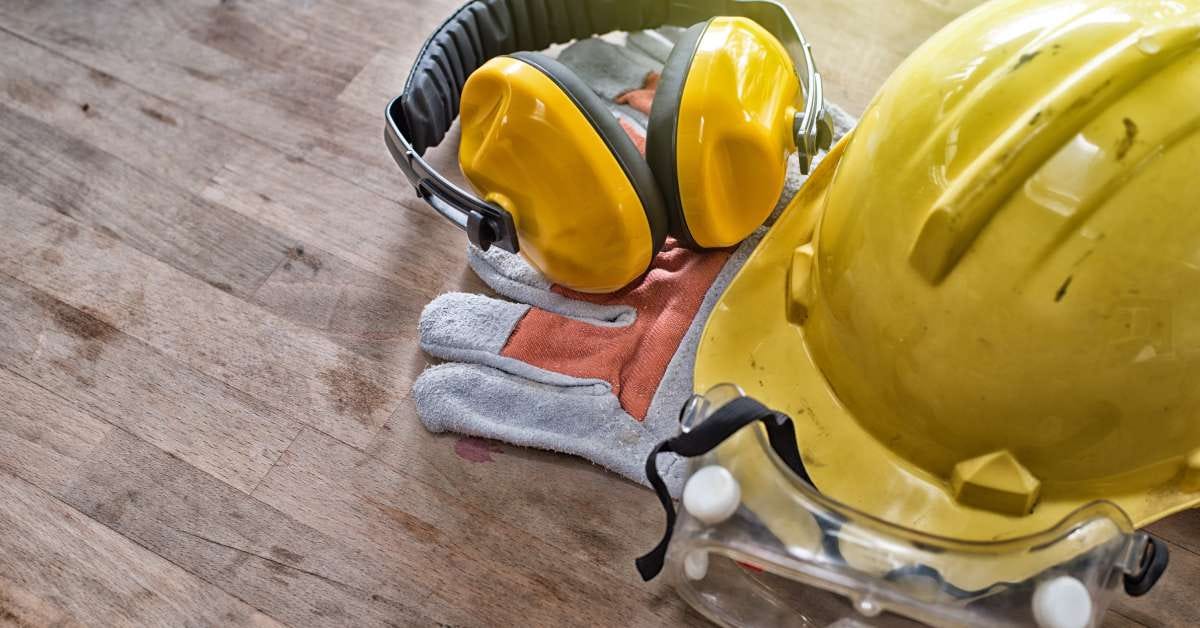
Working with a lapidary slab saw comes with inherent risks, so it is vital to adhere to strict safety protocols. Always wear appropriate protective gear, such as safety goggles, gloves, and hearing protection.
Before you even power on the saw, correctly assemble and anchor it to its base to prevent any movement that could lead to mishaps. The workspace around the saw should be well-lit and free of clutter to reduce the risk of tripping or other accidents.
What About Maintenance and Care?
One of the main steps in maintaining your saw is to routinely inspect the blade for wear and tear. Replacing a worn blade promptly ensures that your cuts remain precise and clean. It’s also essential to keep the saw’s coolant system in top condition. This involves regularly cleaning the reservoir to prevent the buildup of debris and making sure it is always filled with the correct type of coolant.
Lubrication plays a critical role in the smooth operation of the saw. Lubricate bearings, gears, and other mechanical parts according to the manufacturer’s guidelines to reduce friction and wear. This not only improves performance but also minimizes the risk of overheating and mechanical failure.
In gemstone and rock cutting, saws are indispensable tools that allow you to achieve stunning results. By learning everything you need to know about lapidary slab saws, you can create beautiful, precise cuts in a variety of minerals. Investing time and effort into mastering your equipment can positively transform your stone working experience.