

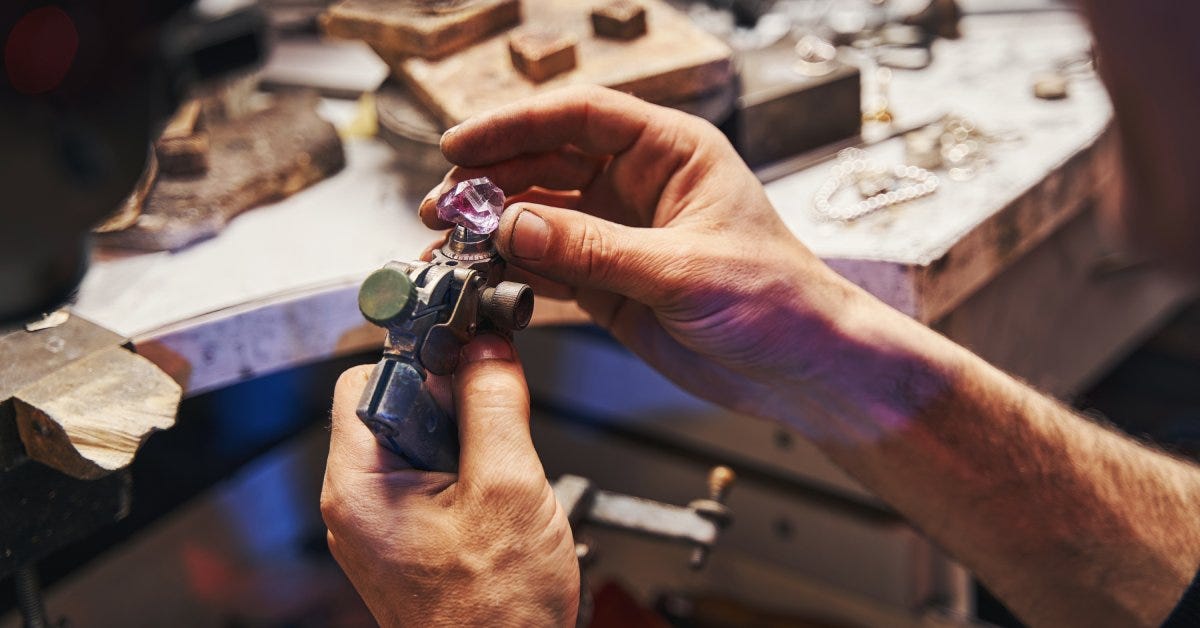
Cutting rough gemstones can be an exciting yet precise craft, yielding beautiful stones ready for jewelry. However, approaching the task without the right tools can lead to wasted material and disappointment. By following the right practices and avoiding common mistakes, you can achieve professional-level results.
This guide walks you through the dos and don’ts for cutting rough gemstones, offering actionable tips to enhance your lapidary projects. Whether you’re just getting started or refining your technique, following these tips will make your gemstone-cutting journey more rewarding.
Preparing for Success
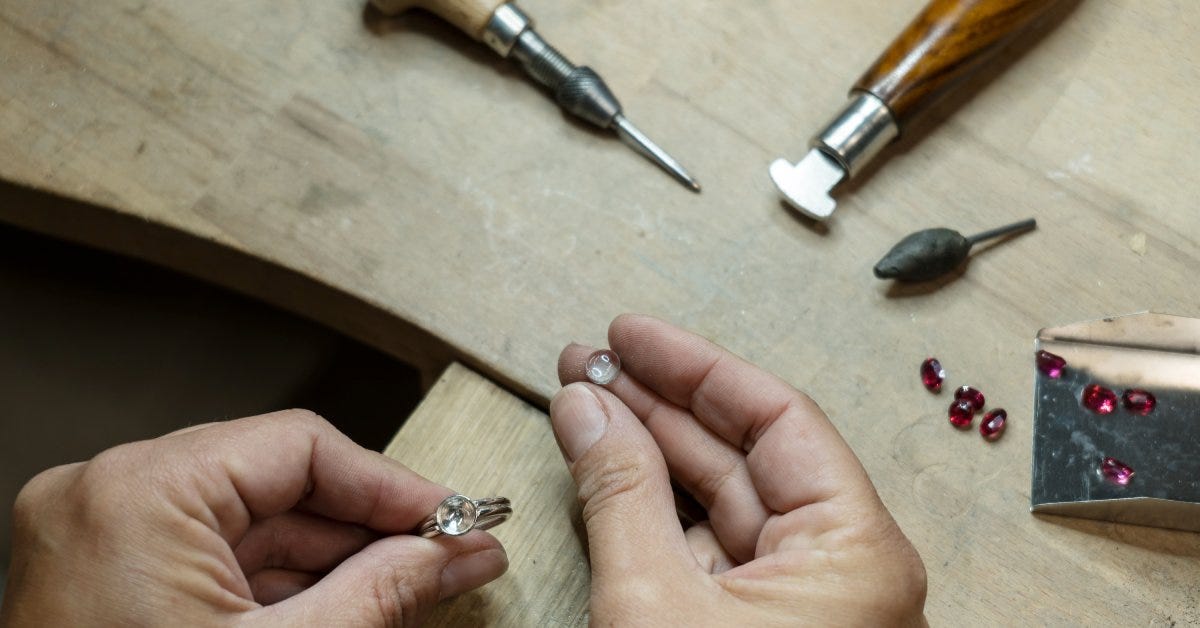
Before you begin cutting, proper preparation will help you avoid mistakes. Take the time to double-check your measurements, gather all necessary tools, and understand the steps involved. A little extra effort can save time and resources, setting you up for success.
Do Choose the Right Stone for the Job
The stone you start with makes all the difference. Some rough gemstones, like quartz or agate, are more forgiving for beginners. Others, such as opals or sapphires, are brittle and require advanced skill.
Begin with a clear evaluation of your gemstone. Look for cracks, inclusions, or internal features that may affect how you cut. Use a loupe or magnifying glass to inspect your rough stone. Identifying imperfections during the first stages will help you avoid surprises later.
Don’t Skip Researching the Stone’s Properties
Each gemstone possesses distinct traits, such as hardness, cleavage, and a refractive index. These factors influence how the stone should be cut, polished, and handled. For instance, fluorite’s softness makes it prone to scratches, while topaz, with its perfect cleavage, can easily fracture along specific planes if not treated carefully.
Take time to study your stone’s specific physical properties prior to working. This knowledge helps you tailor your approach to suit the stone.
Do Set Up Your Workspace Properly
Cutting rough gemstones produces dust, residue, and debris, which can affect your health and compromise your results. Work in a well-ventilated area with proper lighting, and always wear protective gear like goggles and a dust mask. Keep your workspace organized to prevent accidents; safety and precision go hand in hand.
Don’t Ignore the Importance of Quality Tools
Using high-quality, well-maintained tools is essential in gemstone cutting. Dull blades or worn equipment can ruin a gemstone fast. For instance, always match the blade on slab saws to the material you’re cutting. Hard gemstones require the durability of a diamond blade, whereas softer stones might benefit from a more specialized design.
At Kingsley North, we pride ourselves on offering reliable gemstone-cutting tools that are perfect for beginners and seasoned hobbyists alike. You can explore your lapidary goals to the fullest with our products.
Cutting the Gemstone
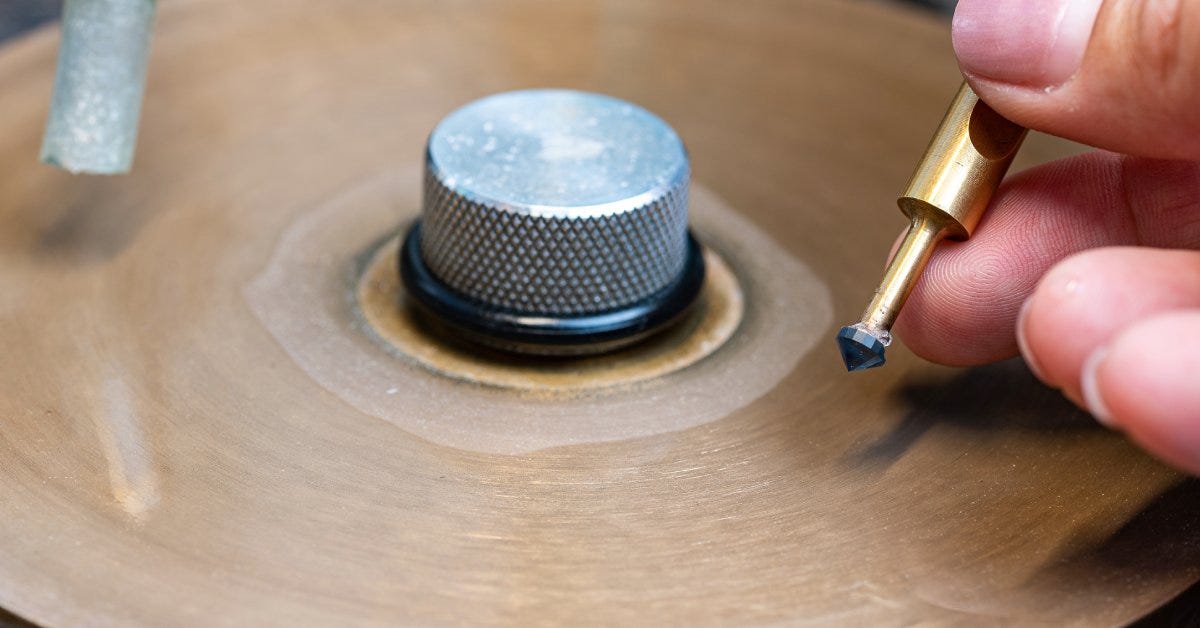
Once you’ve prepared your workspace and inspected your stone, it’s time to start cutting. Keep these best practices in mind to cut efficiently and with care.
Do Use Marking Tools for Precision
Drawing guidelines on your gemstone is an effective way to establish a clear cutting plan. A fine-tip permanent marker works well, or you might choose to use specialty gemstone-marking tools. These lines help you control your cutting and reduce waste.
Don’t Rush the Cutting Process
Patience is key. Cutting too quickly or applying too much pressure with your tools can lead to overheating, breaks, or mistakes. For example, slab saws work best with consistent, gentle pressure, allowing the blade to handle the cutting. Regularly cooling the gemstone and your tools reduces the chances of cracking or chipping.
Do Adjust the Cutting Angle
Pay attention to your angles while cutting. Adjusting the angle allows you to shape the gemstone in ways that maximize its clarity and natural brilliance. It’s particularly useful when working with faceted stones, where proper angles bring out the stone’s sparkle.
Don’t Forget To Check Your Progress Frequently
One of the most common mistakes in gemstone cutting is cutting too much too quickly. Develop the habit of periodically rechecking your work. Stop the blade, clean off the stone, and examine your progress to avoid cutting away more than you intend.
Polishing and Finishing the Stone
After cutting, it’s time to polish and refine the gemstone. Skilled artisans carefully smooth the stone’s surface using specialized tools and techniques. This stage brings out the gemstone’s natural brilliance and luster. The final polish enhances the stone’s appearance, making it ready to be set into jewelry or displayed as a stunning piece.
Do Use the Proper Polishing Compound
Choosing the right polishing compound depends on the type of gemstone you’re working on. Popular options include cerium oxide for quartz or tin oxide for softer stones. Always match the compound with the gemstone’s hardness for the best results.
Don’t Mix Polishing Compounds
Protect your stones from potential damage. Using multiple compounds on the same polishing pad or cloth can lead to uneven results and ruin the finish altogether. Dedicate a pad to each compound to keep them separate.
Do Clean the Stone Thoroughly Between Steps
During every stage of the process, take time to clean your stone thoroughly. Residue from earlier stages can scratch the stone if left behind. Use a soft-bristled brush and clean water to remove grit before moving on to the next step.
Don’t Overlook the Final Inspection
When you think the stone is finished, inspect it closely under proper lighting. Look for tiny scratches, uneven edges, or polishing flaws. It’s easier to catch and correct small imperfections now than to notice them later when presenting them to a customer.
Common Obstacles To Avoid
Mistakes can happen, even with the best intentions. Keep these additional don’ts in mind to dodge frustrating errors:
- • Don’t cut without a plan: Diving in without a clear strategy often wastes valuable gemstone material. Take time to map out cuts and shapes before you begin.
- • Don’t neglect maintenance of your tools: A worn blade or dull tool is more likely to damage your stone. Regularly sharpen or replace tools to keep them in peak condition.
- • Don’t work when tired or distracted: Gemstone cutting requires focus. Step away and take breaks to prevent errors that come from fatigue or inattention.
Elevate Your Gemstone-Cutting Skills
Patience is key when learning to cut rough gemstones. A well-equipped workspace and the right tools make all the difference, but it’s your attention to detail that will truly shine through. Focus on these dos and don’ts for cutting rough gemstones at each step, stay meticulous, and watch your hard work turn into a stunning success.
At Kingsley North, we understand how important reliable tools are for lapidary work. That’s why we’re committed to offering only the best equipment to help you succeed. Explore our selection today.