
Wax carving has become one of the most popular jewelry-making techniques due to its unparalleled versatility and precision. Jewelers transform a block of wax into a masterpiece, with wax carving offering a wide range of possibilities for customization and design intricacy.
Whether you’re an aspiring jeweler or an experienced artisan seeking to diversify your skill set, wax carving provides an excellent opportunity to experiment with form, texture, and aesthetics. A good wax carving is the foundation for lost wax casting, a process that transforms the detailed wax model into a piece of metal jewelry.
At the core of wax carving lies a unique blend of art and technique, which requires creativity and careful craftsmanship. From selecting the right wax type to learning how to use various tools, every step is crucial to achieving the desired result. This guide to wax carving for jewelry will help you gain new technical skills and an appreciation for the artistry of every piece of handcrafted jewelry.
Understanding Wax Carving
Wax carving is a pivotal process in jewelry-making that transforms creative concepts into tangible masterpieces. This technique involves meticulously crafting a three-dimensional wax model of a jewelry piece. The mold enables the transition from the detailed wax form into a final piece of metal jewelry.
Wax carving offers unparalleled precision and detail, attributes crucial for executing intricate and bespoke designs. One of the many advantages of using wax for carving is the flexibility and freedom it provides. Artists can explore many design possibilities without the immediate need for costly materials like silver or gold.
Choosing the Right Wax
Selecting the appropriate wax is a crucial step in the process, as each type offers unique properties that can influence the outcome of the jewelry piece. Understanding the characteristics of different waxes helps jewelers tailor their choice to the specific requirements of their project.
Hard Wax
- • Properties: Hard wax has a higher melting point and is less malleable than other wax types. It provides crisp edges and sharp details, making it ideal for projects that require precision.
- • Uses: It’s best for creating intricate and detailed designs that require fine lines and complex patterns. Jewelers often choose hard wax for carving pieces like filigree or detailed gemstone settings.
Medium Wax
- • Properties: Medium wax offers a versatile balance between hardness and flexibility, with moderate melting points that make it suitable for detailed and simpler projects alike.
- • Uses: This adaptable wax suits various types of projects, making it a popular choice among artisans who work on intricate designs that still require flexibility.
Soft Wax
- • Properties: Soft wax is highly pliable and usually has a lower melting point, allowing for easy manipulation and fast shaping.
- • Uses: Jewelers often employ soft wax for pieces that require significant bending and shaping, like organic and fluid designs. It’s an excellent choice for preliminary models requiring major modifications.
Essential Tools Needed
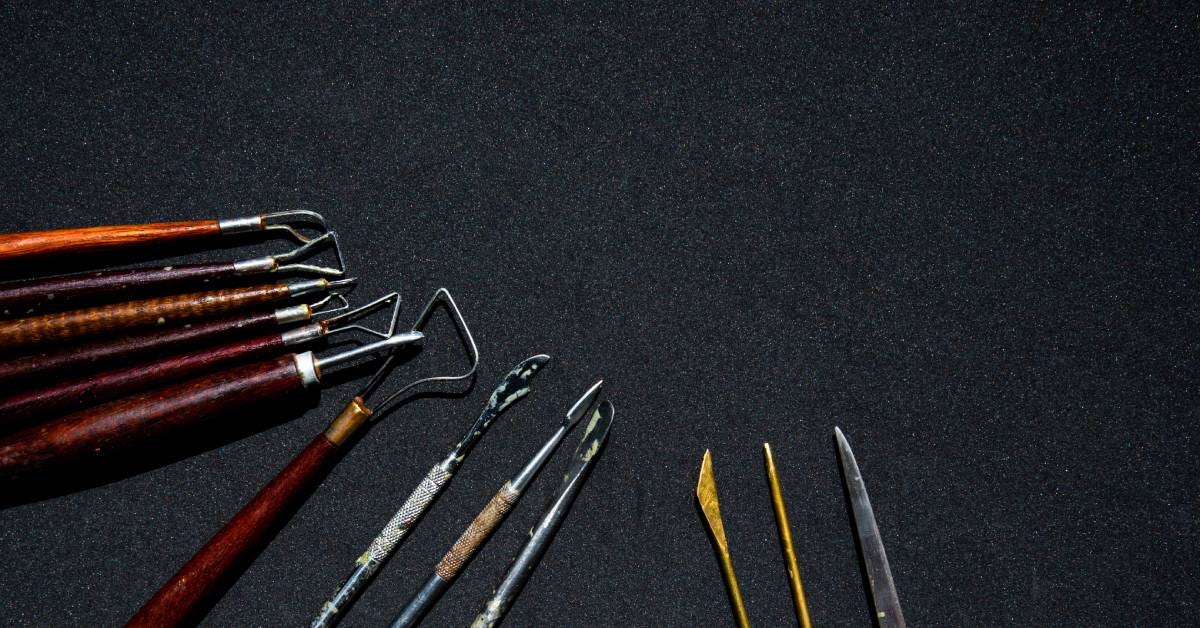
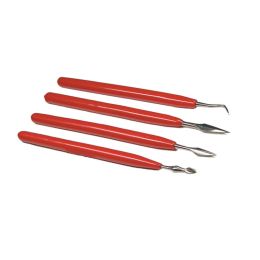
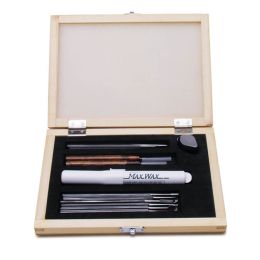
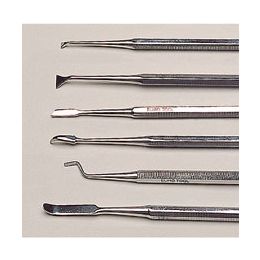
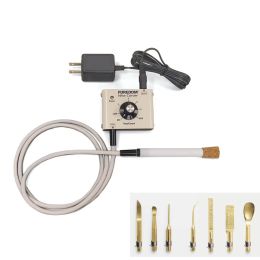
When embarking on a wax-carving journey to make your own jewelry, you need the right tools to achieve professional-quality results. A basic yet comprehensive toolkit should contain a variety of tools for broad shaping and fine detailing.
Files assist in wax shaping and smoothing. Carving knives, typically in different shapes and sizes, allow for precision cuts and detailing. Quality diamond saw blades ensure clean and accurate cuts, reducing the risk of damage to delicate wax models.
Basic Techniques
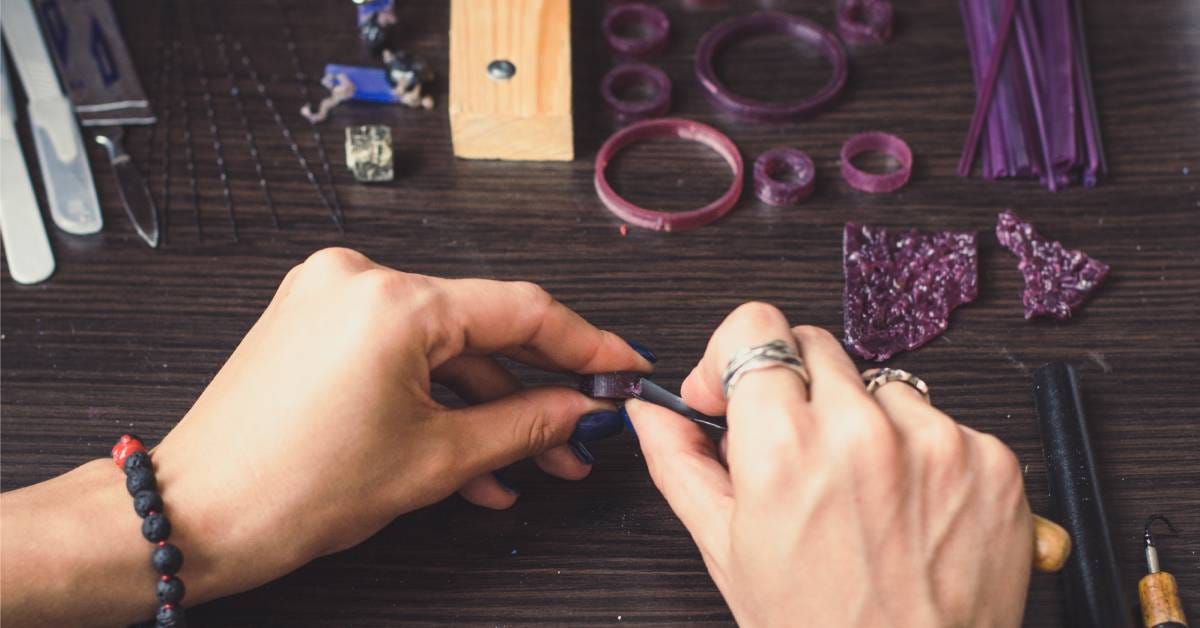
Mastering basic wax carving techniques will help you successfully create jewelry designs. The process begins with conceptualization, with the design sketched on paper to carefully consider proportions and dimensions. Once you complete your initial sketching, transfer the design onto a wax block.
With the design in place, you can begin carving. Focus on making precise incisions to cut out the initial form. This step requires patience and a gentle hand, as cutting away too much material can compromise the design.
The next phase involves detailed carving, adding finer details and textures to bring the piece to life. This intricate work entails removing material and refining the existing structure for symmetry and detail.
Troubleshooting Common Problems
Carving wax involves handling delicate materials prone to breakage, which can occur from excessive pressure on the wax. Breaking your tools in the middle of a project can lead to frustrating setbacks.
To prevent this, maintain sharp and well-conditioned tools that achieve smoother cuts with minimal force. Practice restraint and patience during the carving phase for greater precision and fewer errors so the design retains its intended form.
Another prevalent issue is uneven surfaces, which can detract from the overall quality and appearance of the jewelry piece. Tools like wax files and sandpaper can address irregularities, allowing subtle yet effective adjustments that refine the surface.
Finalizing Your Carved Wax Model
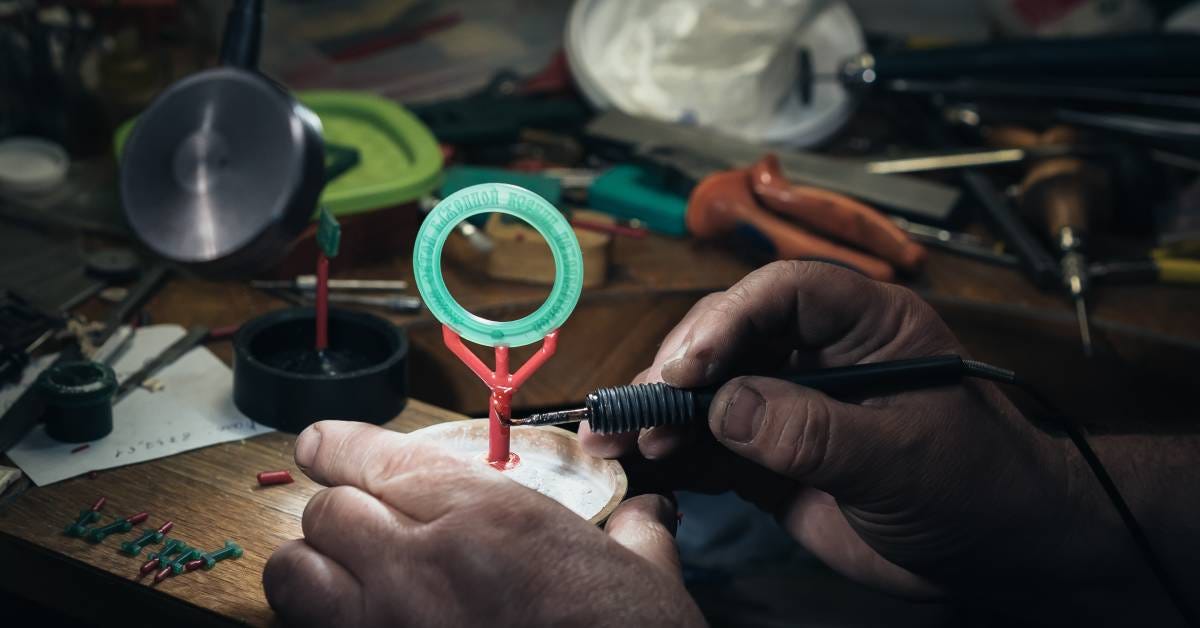
Examine the entire wax model for any remaining tool marks or imperfections. This finishing phase ensures aesthetic appeal and prepares the model for a more successful casting process by minimizing potential defects.
After achieving the desired smoothness and symmetry, apply a suitable wax polisher to add a subtle luster without leaving residue. This step enhances the model’s visual allure. Attention to these details ensures the resulting jewelry piece exhibits the intended artistry and craftsmanship, providing a solid foundation for the casting phase and contributing to a superior finished product.
Using Cast Jewelry as a Prototype
Creating a cast metal piece brings a design to life. The initial cast offers an opportunity to assess each aspect thoroughly, and you end up with an invaluable prototype available for further refinement. This stage lets you carefully evaluate the piece’s aesthetic appeal and ensure the intricate details, textures, and overall form align with the original design intent.
Using cast jewelry as a prototype allows for meticulous enhancements, adjustments, or modifications before production, whether slightly altering dimensions to improve fit or refining specific details to elevate visual impact.
Wax carving for jewelry is a skill that offers incredible opportunities for creativity and precision. Armed with the right tools, techniques, and knowledge, you can create personalized, unique pieces that resonate with the maker and wearer. Whether you’re just starting or looking to refine your craft, the art of wax carving holds endless possibilities for expression and innovation in jewelry design.