

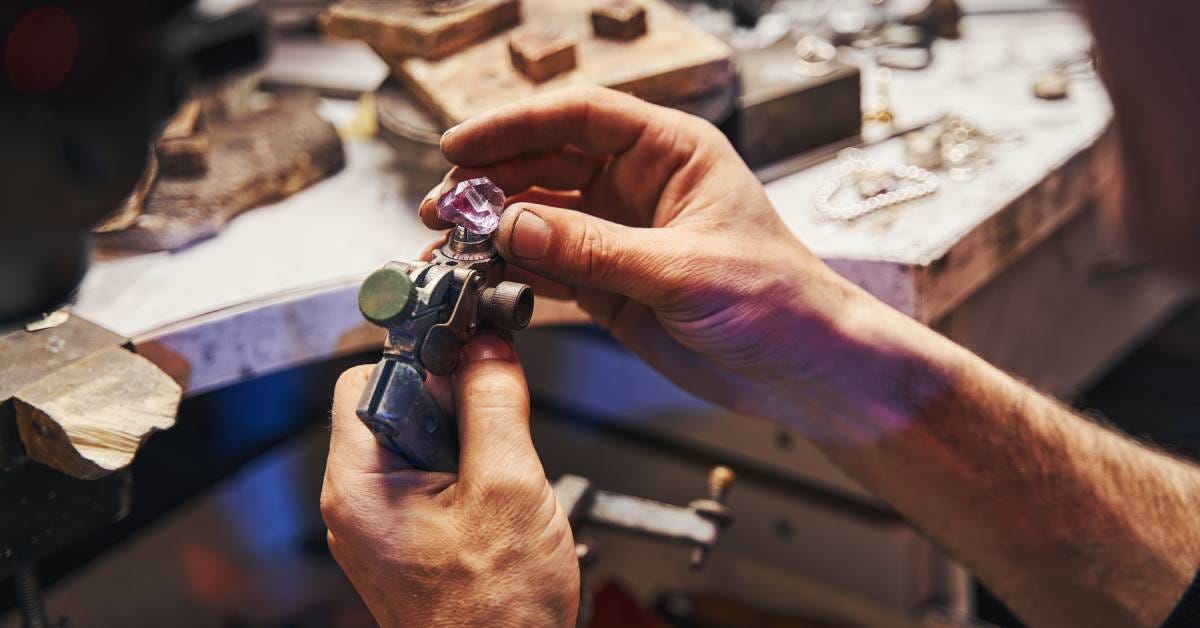
Lapidary work is an ancient art that transforms rough stones into exquisite gemstones, unveiling the hidden beauty that lies within. This intricate craft combines creativity, precision, and geological knowledge to create dazzling jewelry pieces or captivating display samples.
Crucial to this practice is stone cutting. This practice allows you to create intricate and unique cuts to shape a stone in different ways. Understanding the essential tools needed for a successful lapidary journey, including their functionalities and quality equipment that suits your needs, is important.
This guide to the key things to know about cutting rough stones will deepen your understanding of these stones and their geological origins, their unique mineral compositions, and the diverse types commonly used in lapidary work. With this guide, you can make informed choices when selecting project materials.
Understanding Rough Stones
Gaining a comprehensive understanding of rough stones before delving into the captivating world of lapidary work is essential. These natural wonders bear raw beauty and the potential to become magnificent works of art.
You can navigate the lapidary world with confidence and select the perfect pieces for your projects by learning the fundamental characteristics and properties of rough stones. Each rough stone has unique characteristics that will enhance your project naturally, from fiery opals to the mesmerizing patterns of jasper.
Tools and Equipment
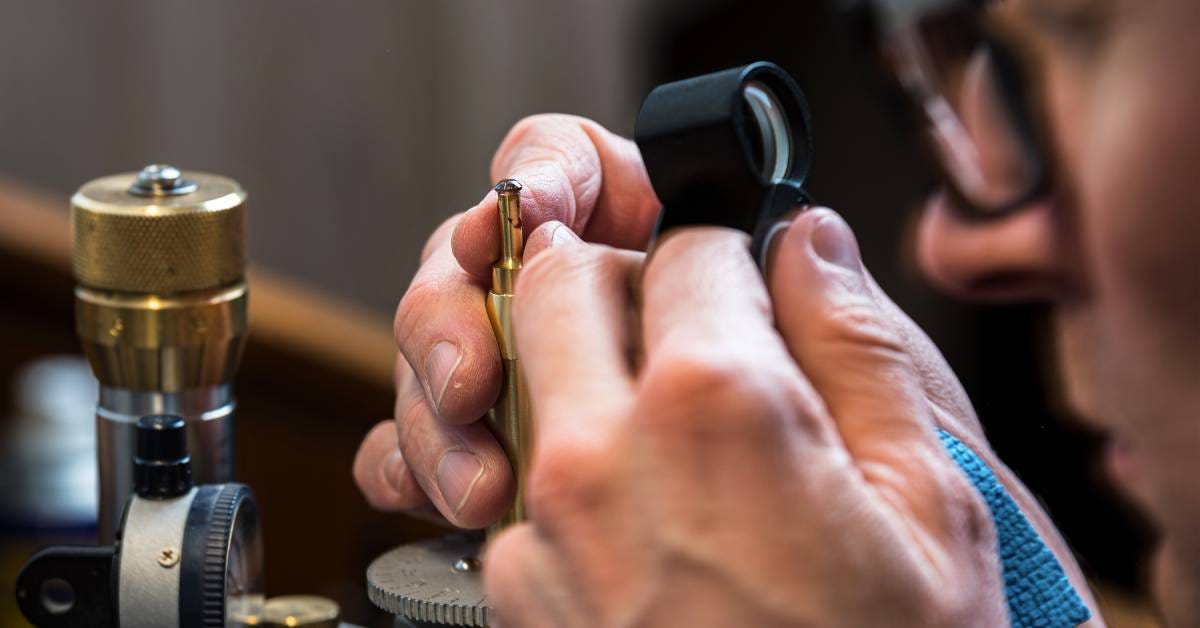
Having the right set of tools and equipment at your disposal is crucial. These essential tools will help you cut and shape rough stones with precision.
- • A trim saw makes clean and accurate cuts on rough stones, enabling you to shape them according to your desired specifications. Look for a trim saw that offers adjustable speed settings and a sturdy construction for optimal performance.
- • Diamond blades use industrial-grade diamond particles, enabling them to easily slice through tough materials. Choose the appropriate diamond blade based on the rough stone’s hardness and composition of the rough stones you work with.
- • Grinding Wheels shape and smooth the rough stones after initial cutting. Coarse grit wheels are ideal for initial shaping, while finer grit wheels are best for polishing and achieving a glossy finish.
- • A cabbing machine is a versatile tool that combines grinding, shaping, and polishing functions in one unit. It features rotating wheels or discs that allow you to work on multiple facets of the stone simultaneously.
Investing in high-quality trim saws from reliable distributors is the main step to ensure precise and efficient work and contribute to your safety and enjoyment of the lapidary process.
Preparing Rough Stones
Preparing rough stones for cutting is a crucial step in the lapidary process that ensures optimal results. Assess the stone’s quality, examining it for any unwanted impurities or flaws that may affect the outcome. Clean them thoroughly to remove any dirt or debris that could hinder the cutting process.
Mark the stones with a design or pattern to ensure precision and accuracy. Shape them by outlining the desired cut and removing excess material. You can set a solid foundation for the successful cutting, shaping, and transforming of rough stones into beautiful gemstones or jewelry pieces with proper preparation.
The Cutting Process
First, set up the trim saw and select the appropriate blade for the desired cut, depending on your design’s characteristics. Secure the rough stone firmly in place and carefully guide it, making precise cuts to remove excess material and create the desired shape. Start with slabbing, or cutting the stone into flat slabs of uniform thickness.
Next, move on to trimming, which involves cutting the slabs into smaller, manageable pieces. Doing so will allow you to easily manipulate the rocks and achieve the desired shapes. Pay close attention to detail and work patiently, ensuring clean and accurate cuts.
Shaping the Stone
Shaping involves carefully sculpting the gemstone to achieve the desired shape, considering its natural characteristics and the intended design. Cabochon cutting creates smooth, rounded surfaces, while faceting involves cutting precise geometric facets to enhance the stone’s sparkle and light refraction.
Lapidary equipment, such as grinding wheels and polishing compounds, shape and refine the gemstone, gradually unveiling its true beauty. Use skilled craftsmanship and attention to detail to bring out the unique character of each stone, allowing its inherent colors and patterns to shine through.
Finishing and Polishing
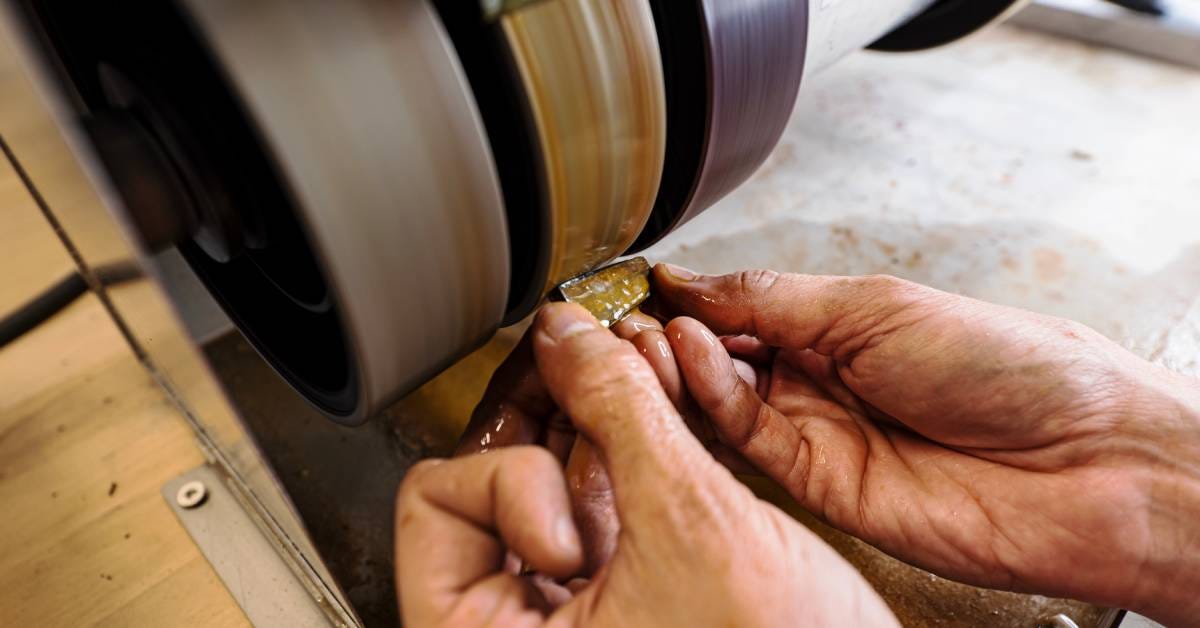
Achieving a high-quality finish through proper finishing and polishing techniques is essential to truly showcase the captivating beauty of your cut gemstones. Finishing and polishing involve a range of meticulous steps and specialized tools. Star by sanding the gemstones to remove imperfections and create a smooth surface. Progress to finer abrasives to refine the surface further.
This meticulous approach brings out the stones’ luster, brilliance, and optical properties. Finally, buffing with a soft cloth or polishing wheel adds the final touch, imparting a stunning shine and mirror-like finish.
Safety Precautions
Prioritizing safety when working with lapidary tools and handling rough stones is essential to prevent accidents and injuries.
- • Always wear the appropriate protective gear, which includes safety goggles to shield your eyes from flying debris, gloves to protect your hands from sharp edges and cuts, and a dust mask to prevent inhaling harmful particles.
- • Keep your workspace organized and clutter-free. Doing so helps prevent accidents caused by tripping or knocking over tools and materials. Regularly clean your work area to remove dust and debris, ensuring better visibility and reducing the risk of slips.
- • Read and follow the manufacturer’s instructions and safety guidelines for using trim saws and other lapidary tools—including their proper usage, maintenance, and storage.
- • Always ground your electrical tools properly and follow electrical safety guidelines. Avoid using tools with damaged cords or faulty electrical components.
- • Be aware of rough stones’ sharp edges and the potential for breakage when handling them. Use clamps or other appropriate devices to secure the stones during cutting or shaping.
This guide to the key things to know about cutting rough stones allows you to unlock the hidden potential within ordinary rocks. With the right knowledge, skills, and equipment, you will achieve unique results to enhance your cutting experience. Always prioritize safety, choose quality tools and materials, and have fun exploring the endless possibilities.
Lapidary work is a lifelong journey of constant learning and improvement. As you continue to explore the world of cutting rough stones, you will find new techniques to learn, new materials to work with, and new challenges to overcome.