

Shaping gemstones into works of art has been a cherished practice for centuries. Whether you're working with raw stones or precut pieces, understanding the different techniques used in lapidary work can take your craft to the next level.
This guide breaks down eleven lapidary shaping techniques and how to do them, offering practical tips to help you refine your skills and explore new methods in gemstone shaping.
1. Faceting
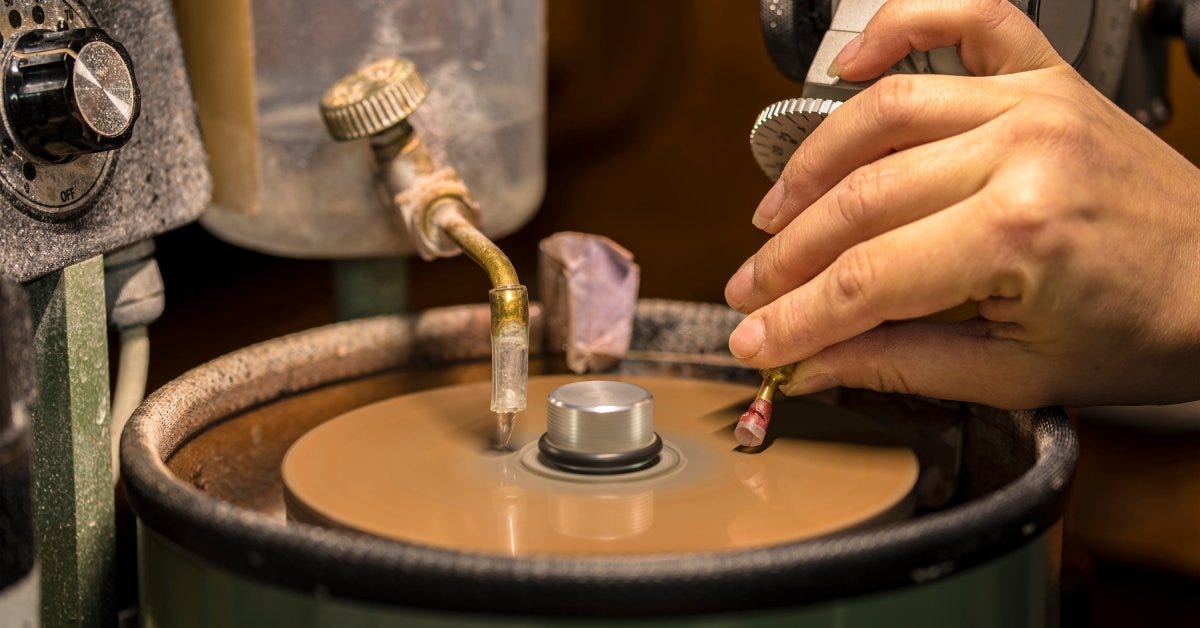
Faceting turns rough stones into multifaced gemstones by cutting specific angles. This process requires precision and patience. You'll need specialized faceting machines and dops to hold the stone in place.
Using incremental adjustments, cut each side carefully and polish it to perfection to bring out the stone's brilliance. Faceting machines come with different laps for cutting and polishing. Use a loupe to inspect each facet for symmetry and alignment. Always keep the stone cool by using water or lubricant during the process.
2. Channel Carving
Channel carving creates intricate patterns or designs on the gemstone’s surface. Use a micro-motor drill or flex shaft tool equipped with burrs and carving wheels. Work the stone gently, creating grooves or channels to achieve a textured effect. This technique works especially well for softer materials such as turquoise or onyx.
Experiment with different burr sizes to create varying widths and depths in the channels. Keep the stone moist to prevent overheating and cracking while carving. Always wear protective eyewear to shield your eyes from flying debris.
3. Tumbling
Stone tumbling is excellent for shaping multiple small stones simultaneously. Start by placing rough stones, abrasive grit, and water into a tumbler. The tumbling process smooths out jagged edges over time. Use progressively finer grits to achieve a polished surface.
Stone tumblers are available in different sizes to suit various needs. Always clean stones and equipment between grit stages to avoid contamination. Monitor the process regularly to check that the stones are tumbling evenly.
4. Cabochon Cutting
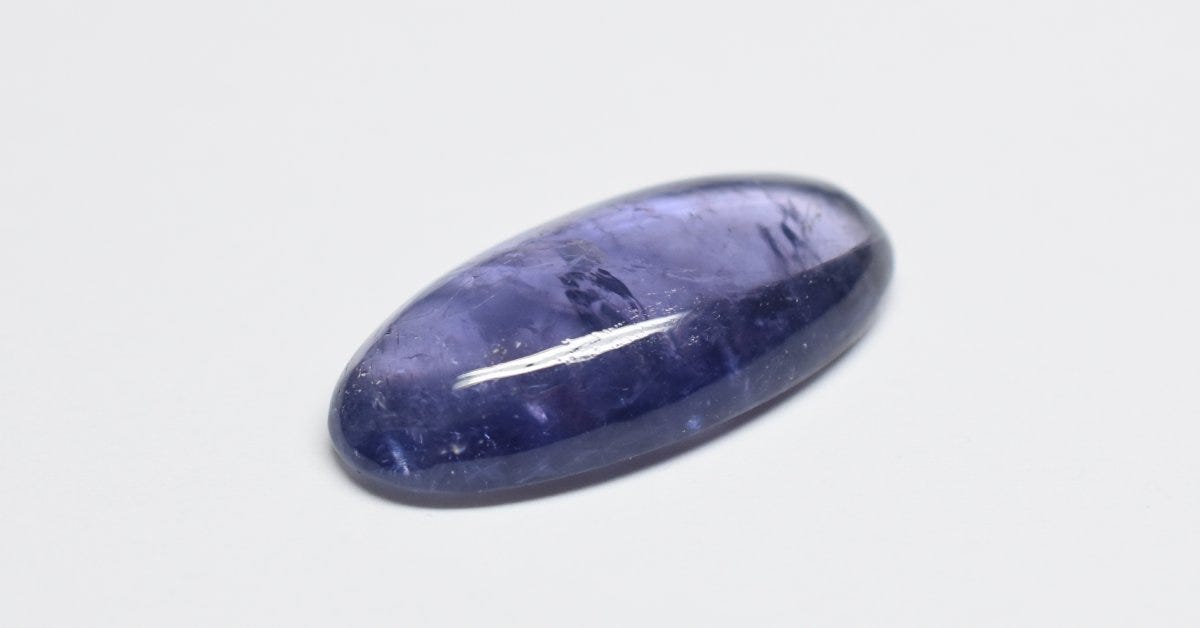
Cabochon cutting is one of the most common techniques in lapidary work. It involves shaping gemstones into rounded domes with flat backs, often used for rings or pendants.
Start by using a trim saw to rough out the stone's shape. Then, refine the edges using diamond wheels and sanding belts. For a polished finish, use a polishing wheel with cerium oxide. Choose a gemstone suitable for cabochon cutting, such as jasper, opal, or turquoise. Keep the stone cool during sanding by dipping it in water often. Use a template so the cabochon keeps a consistent shape and size.
5. Intarsia
Intarsia is a mosaic-like technique in which different stones are inlaid to create decorative patterns. Precision is essential for seamless fits between pieces.
Cut stones into specific sizes and use epoxy resin to join them. Once the pattern is complete, sand and polish the surface for a unified appearance. Intarsia requires careful planning and design before starting. Use a fine-tooth saw for exact cuts on the stones. Apply light pressure to avoid damaging the inlay when sanding.
6. Freeform Shaping
Let the natural shape and character of the gemstone guide your work in freeform shaping. This approach is ideal for artists seeking unique designs. Use handheld tools such as grinding wheels or sanding drums to shape the stone according to its natural contours and preserves its uniqueness.
Freeform shaping gives you more creative freedom compared to traditional cutting methods. It pairs well with irregular shaped stones or inclusions that add character.
Always inspect the stone under proper lighting to find the best angles to highlight. Use fine-grit tools for detailing and polishing to achieve a smooth finish.
7. Bead Drilling
Drilling gemstones into beads can add versatility to your lapidary projects. Start with a drill press or rotary tool fitted with tiny diamond drill bits.
Submerge the stone in water to keep it cool and reduce fracturing. Work slowly and let the machine cut for a clean and precise hole. Use a vice or clamp to secure the gemstone while drilling. Mark the drilling spot with a fine-tip marker for accuracy. Clean the drill bits often to prevent buildup and cut smoothly.
8. Relief Carving
Relief carving creates three-dimensional designs by removing material from a flat stone surface, leaving raised images. Choose a softer stone, such as soapstone or alabaster, for easier carving. Use diamond-tipped engraving tools, gently working layer by layer. Finish with fine sandpaper or polishing compounds for added detail.
9. Sphere Making
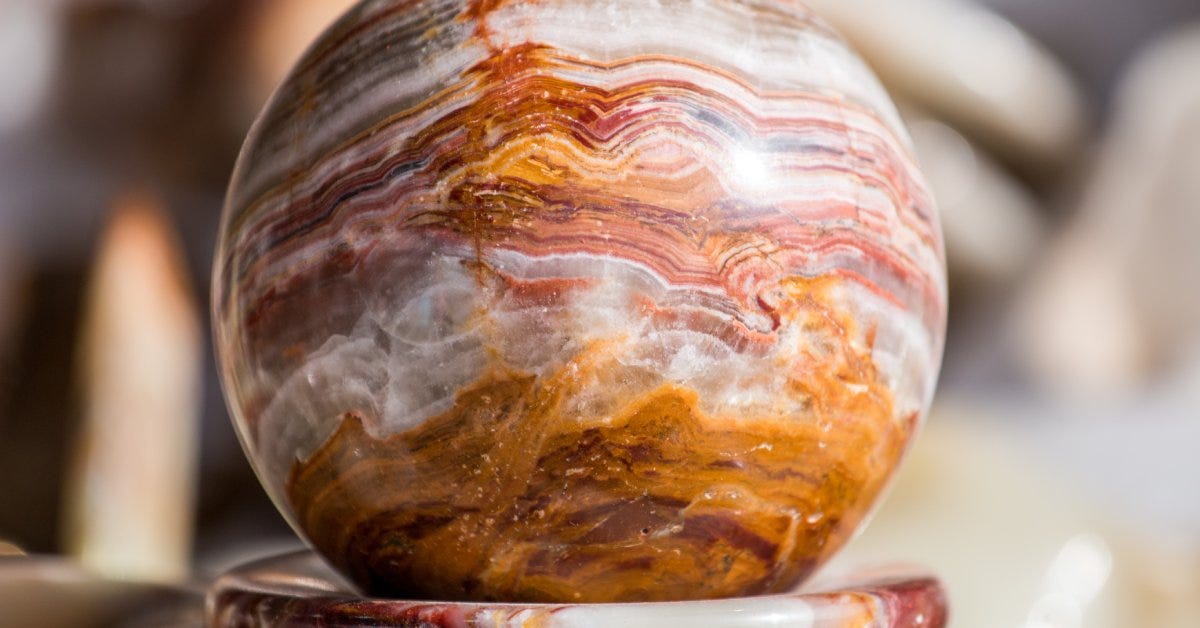
Turning gemstones into spheres is an eye-catching choice for showing off natural patterns within a stone. To start, cut the stone into a cube, and then round the edges using coarse grinding wheels. A specialized sphere grinding machine helps refine the shape further. Gradually work with finer grit until you achieve an even finish.
10. Flat Lapping
Flat lapping is ideal for creating flat surfaces and achieving precise cuts. Use a flat lap machine fitted with diamond grinding discs. Secure the stone on a holder and gently press it against the spinning disc. This method ensures even, flat surfaces, which are vital for projects such as intarsia.
11. Pierced Designs
Piercing is used to cut intricate patterns into stone surfaces for a lacy or open look. Use diamond wire saws, drills, or blades to make precise cuts in the stone. Start with a design template and work slowly to avoid chipping. Finish off by sanding and polishing to refine the edges.
Choosing the Right Tools for Lapidary Shaping
Using the right gemstone lapidary equipment is crucial for success. The tools you use, from faceting machines to polishing wheels, define the quality of your final product. Trusted suppliers such as Kingsley North provide various tools and materials for lapidarists, whether you’re shaping cabochons or drilling beads.
Understanding different lapidary shaping techniques and how to do them takes time, effort, and a deep appreciation for the craft. Experiment with different methods and materials to discover your personal style. Remember, every gemstone is unique, and part of the craft’s beauty lies in adapting your approach to each stone’s characteristics.