

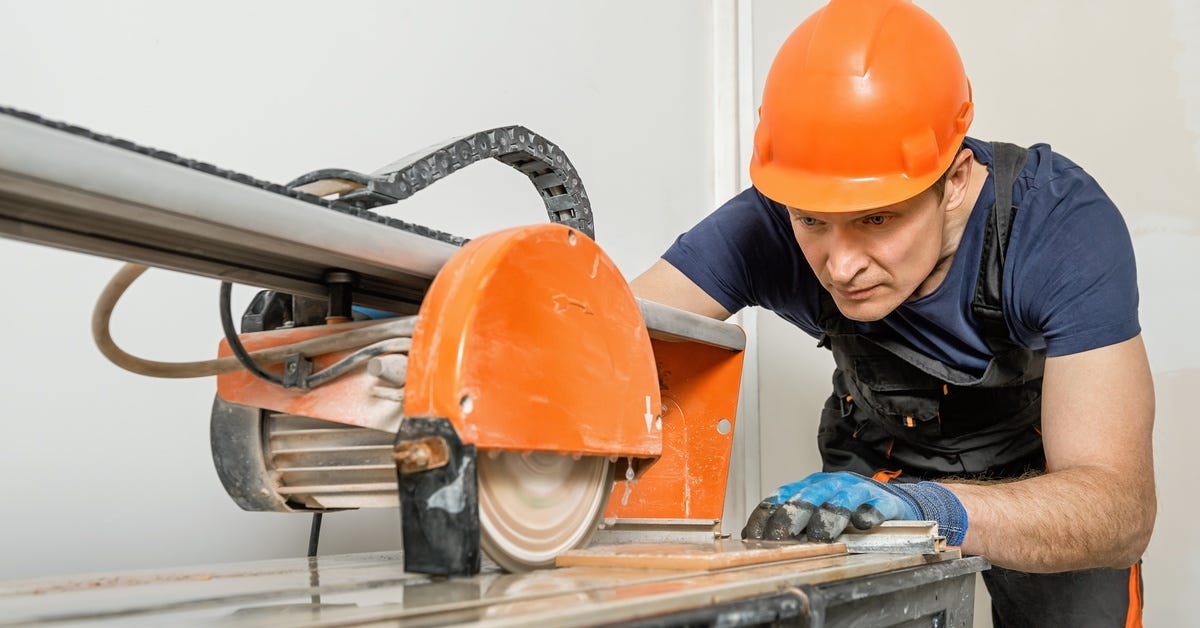
Diamond blades are essential for cutting hard materials, such as stone, tile, and glass. Correct use is vital to getting precise cuts and extending your tools’ lifespan when working on lapidary projects or managing larger cutting tasks. However, even experienced users make mistakes that can lead to inefficiency or damage. Don’t worry—many of these common slip-ups are easy to fix when you know what to look for.
Here are ten diamond blade mistakes and what to do instead to keep your cuts exact and your tools in top condition.
1. Using the Wrong Blade for the Material
Professionals and DIYers use diamond blades to cut specific materials. Using the wrong blade type can cause the tool to perform poorly, and damage the material and the blade in the process. For example, a blade meant for cutting granite won’t work as effectively on softer materials, such as marble or ceramic.
Overheating is another common issue that may lead to uneven cuts, ruining the cut’s precision. Additionally, overheating increases the risk of accidents, as blades can crack or break under improper use.
What To Do Instead
Always check your blade’s specifications. Match it to the material you’ll be cutting to ensure it’s best for the task.
2. Not Properly Mounting the Blade
An improperly mounted blade brings several issues. Loose or misaligned connections can wobble, which is a dangerous mix for uneven cuts and accidents.
What To Do Instead
Make sure you securely mount the blade and ensure it faces the correct direction (check the arrow on the blade). Tighten the arbor nut properly, but avoid over-tightening, as doing so can warp the blade.
3. Running the Blade Too Fast or Too Slow
Diamond blades have an optimal speed range. Different materials may require different speeds. Running the blade too fast can overheat it, while running it too slow can make cutting unnecessarily difficult.
What To Do Instead
Change the blade if it’s dull, even at the recommended revolutions per minute (RPM). Avoid forcing the blade through the material, as doing so can cause overheating and damage.
Refer to the manufacturer’s RPM instructions for your blade. Adjust your saw’s settings accordingly to strike the perfect balance for smooth cuts.
4. Forgetting To Use Water Cooling
Diamond blades heat up quickly during use. Operating them without proper water cooling can cause overheating, leading to blade damage or material breakage.
Overheating can also weaken the bond between the diamond segments and the blade core. Consistent water cooling creates cleaner cuts and prevents dust buildup during operation. Regularly check that your water supply is flowing properly and free of debris.
What To Do Instead
Always use water while cutting to keep the blade cool, reduce friction, and flush away debris. Consider a setup that includes a drip or spray system to keep the blade hydrated if your saw doesn’t have a built-in cooling system.
5. Ignoring Blade Wear Patterns
Worn diamond blades lose their cutting efficiency. Many users overlook wear patterns that signal it’s time to dress or replace the blade.
What To Do Instead
Regularly inspect your blade for uneven wear or lost segments. Use a dressing stick or abrasive stone to expose fresh diamonds and restore its cutting performance if you notice the blade is becoming dull.
6. Forcing the Blade Through Material
Pushing the blade too hard doesn’t make it cut faster—it increases the risk of overheating, blade warping, and uneven cuts.
What To Do Instead
Apply steady, even pressure and let the blade do the work. Diamond blades grind; they don’t chop, so be patient to achieve precise cuts.
7. Overlooking the Importance of Alignment
A misaligned blade is like a poorly mounted blade. It can produce crooked cuts or chipping. Worse, it can create a safety hazard.
What To Do Instead
Always check the blade’s alignment. Securely clamp and accurately position the material. Use alignment markers if necessary to guide your cuts.
8. Neglecting Maintenance
Like any other tool, lapidary saw blades require regular maintenance to perform reliably. Neglecting to properly clean or lubricate the blade can lead to reduced efficiency and failure.
What To Do Instead
Clean your blade after each use to remove debris and grit. Check for signs of damage or wear, and make sure the water-cooling system is functioning properly. Routine maintenance is the easiest way to care for and extend your tools’ longevity.
Properly tighten the blade before use to prevent wobbling. Use the correct type of lubricant designed for lapidary work to minimize friction. Replace the blade when you notice uneven cuts to maintain the quality of your work.
9. Cutting Without Proper Safety Gear
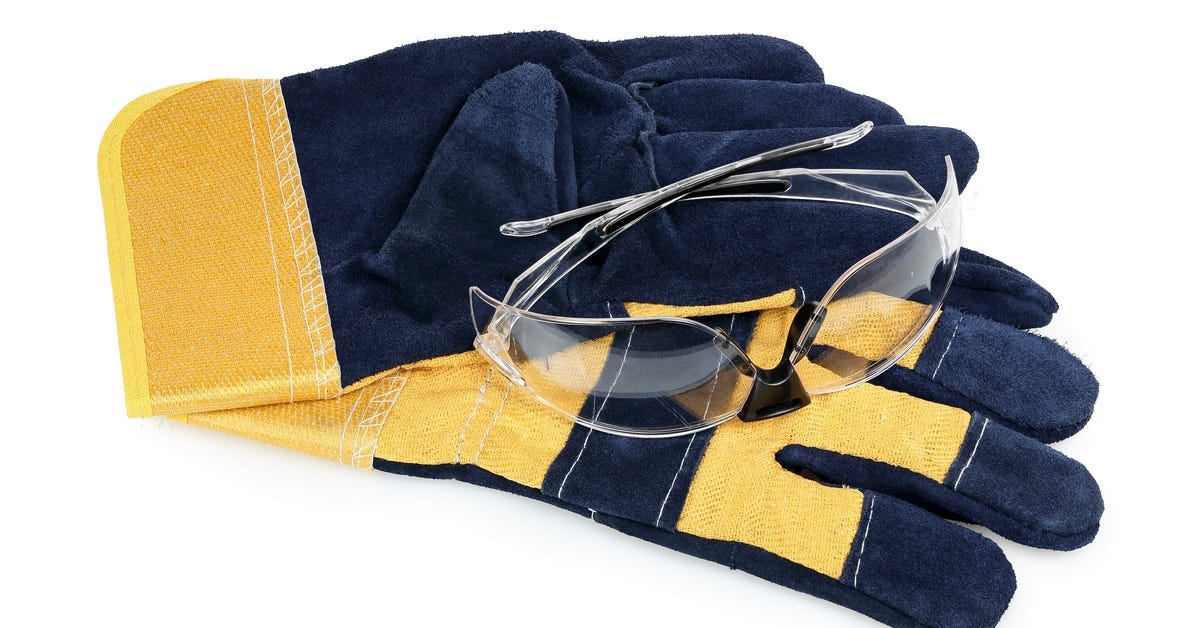
Safety should never take a backseat during any cutting activity. Forgetting or refusing to wear goggles, gloves, and other essential gear can lead to injuries from flying debris or sharp edges.
What To Do Instead
Always wear the proper safety equipment, including safety goggles, gloves, and a dust mask if cutting creates fine particles. Make your workspace safe by securing loose items and using adequate ventilation.
10. Assuming All Diamond Blades Are the Same
Not all diamond blades are equal. Assuming all blades are interchangeable can lead to poor cuts, damage to the materials, or decreased longevity.
What To Do Instead
Research your blade’s specifications and choose the right one for your task. Blades vary in grit size, segment bonding, and rim type—all of which determine their suitability for specific materials and applications.
Why Avoiding These Mistakes Matters
You can enhance the quality of your cuts by addressing these common diamond blade mistakes. Improved safety and equipment protection allow you to achieve the best work possible. Attention to detail is necessary, whether you’re using lapidary saw blades for stone-cutting projects or working on other materials.
Kingsley North offers a range of diamond blades and accessories to suit your needs if you’re ready to enhance your process. With the proper knowledge and tools, you’ll master every cut with confidence and precision.
Start Cutting Smarter
Now that you’re aware of ten common diamond blade mistakes and what to do instead take a moment to evaluate your current setup. Are you using the right blade for your project? Are you properly maintaining your saw?
Save time and effort by correcting these errors and achieve the flawless results you’re after.