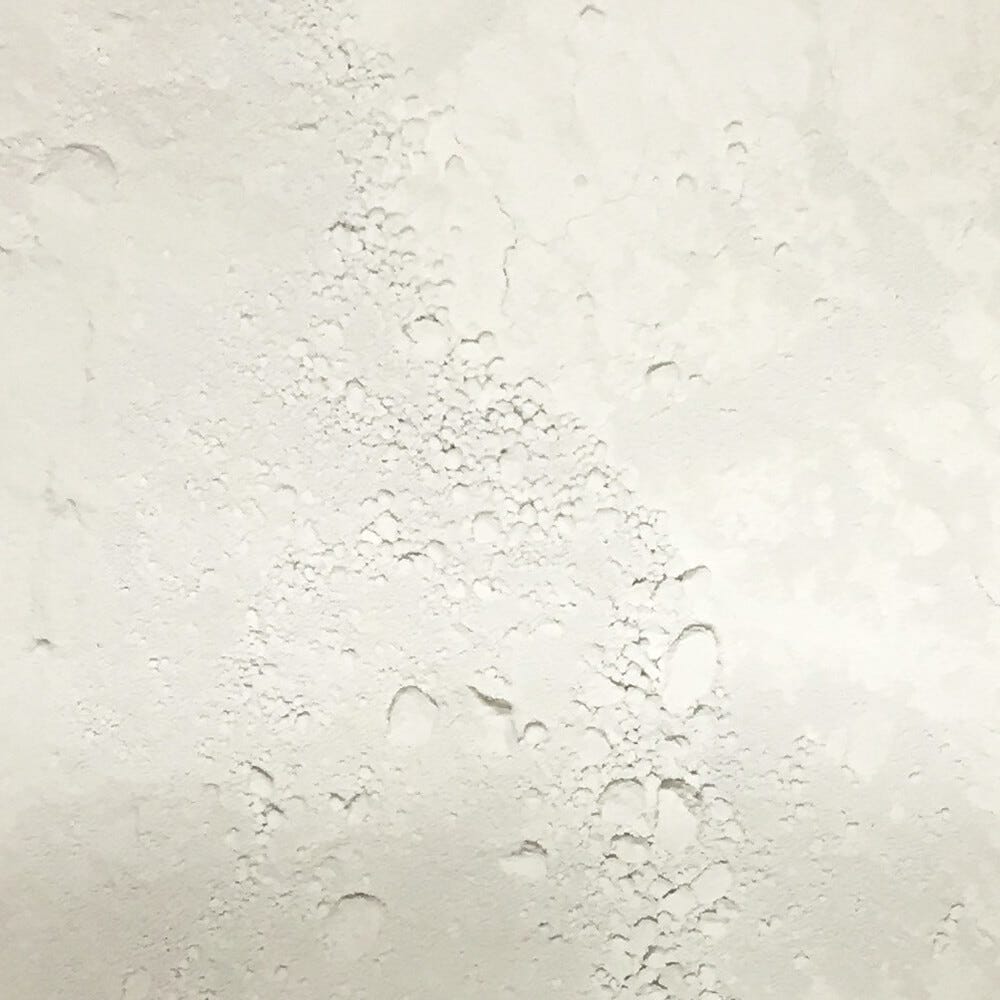
Micro-Alumina Polish Powder - 22,000 grit
+ Write a ReviewSKU: 0-0037
Product Options:
Couldn't load pickup availability

Product details
Description Micro-Alumina Polish Powder - 22,000 grit
This 1 micron aluminum oxide polishing powder is an ideal choice for use in tumbler and vibrating lap applications. Its non-staining white color makes it easy to use and its cost-effective, efficient, and clean properties make it a popular choice among polishers.
Grit Equivilant: 22,000
Available Sizes: 4 oz, 1 lb, 5 lb, 45 lb
Customer Reviews
Thank you for submitting your review
What grit is this?
This is for final polishing and is not classified under a grit size.
is this equivalent to 8,000 grit
No, it is much finer at 22,000 grit
is micro alumina the same as Linde A?
No it isn't, but our Alumina A, is SKU: 00020_CFG
1-3 microns is equal to what in grit numbers? Thanks
22,000 grit
Still learning... I keep seeing use 8000 or 12,000 grit. how does this compare to 1 - 3 micron?
Our Micro Alumina is much finer, at around 22,000 grit.
What is the grit size of this polish and is it better to use this or tin oxide as a final polish?
22,000 grit particle size. Either polish will work.
Can I use micro-alumina with plastic pellets in a dry vibrating tumbler for polishing?
You migh have better results with a corncob or walnut shell than plastic pellets for dry tumbling.
Do you ship to mexico
yes we do
What grit is this micro alumina equivalent to??
It is around 22,000 grit, and you can go from 600 or 500 grit right to this polish. It is the final polish.
What grit would this compare to if you put a number in it. 1000? 3000? 5000?
Around 22k.
How many microns
micro alumina is a 1-3 micron polishing powder.
How much Micro-Alumina polish would you use in a 3lbs. rotary tumbler ?
3 tablespoons
Can you advise whether micro alumina or aluminum oxide polish is better for rotary tumbling?
Micro Aluminia is a 1-3 micron Aluminium Oxide, it is a popular option for tumbling.
Can you use the micro alumina polish in a dry vibratory tumbler with corn cob material. Would be finish polishing Petoskey stones.
You could try that, it's generally used in the wet tumbling process but you could certainly explore that option.
What is the recommended amount per lb?
That would depend completely on what you're working with. The amount you need in a rotary tumbler would be different than a vibratory tumbler, and would vary as well if you were using a vibrating lap. In a rotary tumbler you would need about 1.5 tablespoons of polish per pound. For a vibratory it takes about 3 ounces of polish in an 3 quart tumbler, and 4 ounces for a 6 quart. With a vibrating lap you can start with about 2 tablespoons of polish, but you may need to add more depending on the size of your lap.
would this be the finish grit for polishing in the tumbler ?? Ya I am new to this THANKS
Yes, this is a polishing compound that can be used in a tumbler.
Will this make my rocks glossy or mat?
Most stones should be glossy when finished after using this. Keep in mind not all stones take a polish at all or will take a polish using micro alumina. We have a chart on our FAQ page that will help with choosing which type of polish to use with the type of stone you're doing, it's called the Covington Buff and Polish chart.
Which is better - cerium oxide or micro alumina
They both are great polishes. Cerium does tend to work best on most stones but micro gives a really good polish as well.
Around 2015 I bought a bag of "white finish polish" from K.N., "1 to 3 micron Finish Polish" was written on the bag . I am thinking that it is your "Micro Alumnia" polish, did you offer your "Micro Alumnia Polish" or aluminum Oxide polish during that time frame? Can you give me your best opinion on what you think this product may be? It's use was for tumbling and I wouldn't have bought any high end $$ product.. I know this is a reach but any input would be appreciated. Thanks
Yes, this sounds like the micro alumina polish, we would have offered it around that time.
What micron size is the micro Aluminum?
Micro alumina is a 1-3 micron.